Introduction
What Is a Rock Crusher
A Rock Crusher is a mechanical device used to break down large rocks, ores, or other hard materials into smaller particles.
Main Applications
How Does a Rock Crusher Work
The basic principle is to apply mechanical force to the materials—exceeding their ultimate compressive strength—through methods such as compression (squeezing), impact, shear, or grinding, thereby breaking them into smaller pieces.
Typically, in a production line, the material goes through a workflow of Primary (Coarse) Crushing → Secondary Crushing → Tertiary (Fine) Crushing. Crushers are used in conjunction with screening equipment to ultimately produce materials of the desired particle size.
Brief History of Rock Crushers
Rock crushing started with simple hand tools. Workers used hammers and chisels to break rock manually — a slow and exhausting process. As industrial demand grew, mechanical solutions became necessary.
Here is how the technology evolved:
1858 — Jaw Crusher
Eli Whitney Blake invented the first mechanical crusher.
Solved the need for large-scale road construction material.
1878 — Gyratory Crusher
Introduced continuous crushing via a rotating cone.
Much higher throughput than the jaw crusher.
1890s — Hammer & Impact Crusher
Used high-speed rotating hammers to shatter rock.
Better suited for softer materials like limestone and coal.
Early 1900s — Cone Crusher
Refined secondary crushing with better particle shape.
Became the standard for aggregate production.
Mid 1900s — Mobile Crushing Plants
Diesel engines and wheels brought crushers to the job site.
No more transporting raw rock to fixed facilities.
1970s–1990s — Hydraulic & Automated Systems
Hydraulic adjustment replaced manual settings.
Safer operation and faster maintenance.
2000s–Present — Smart Crushers
Digital controls, remote monitoring, and AI optimization.
Real-time performance adjustments for maximum efficiency.
Today, rock crushers are faster, smarter, and more efficient than ever. What started as a simple jaw machine in 1858 has become one of the most essential pieces of equipment in modern industry.
Classification of Rock Crushers
A. By Crushing Principle
1. Jaw Crusher
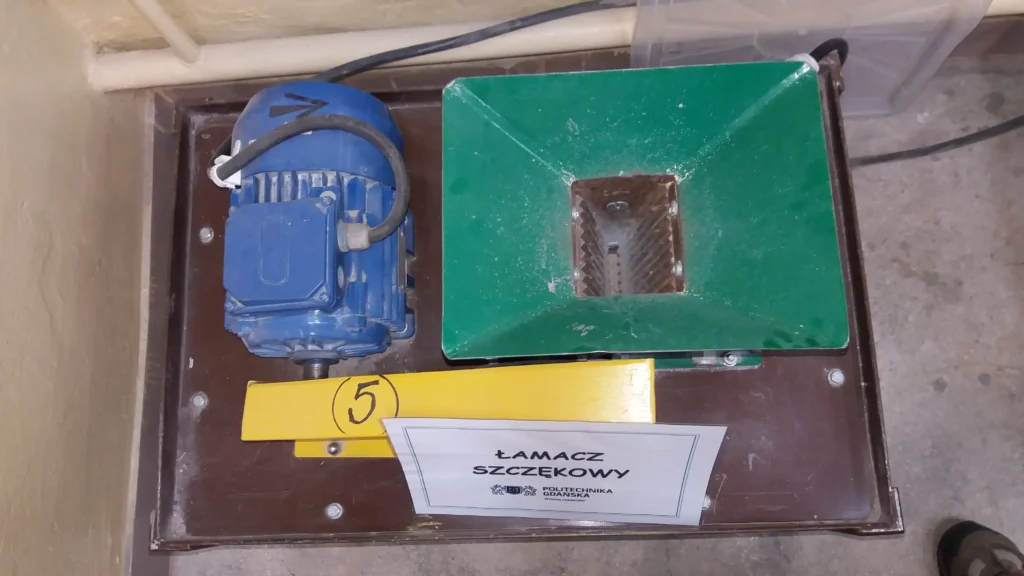
Working Principle:
Two jaw plates squeeze and crush the stones.
Suitable for primary crushing.
Features:
- Strong capacity for processing large stones.
- Simple structure.
- Commonly used as the first stage of crushing.
Suitable for:
- Granite
- River pebbles
- Basalt
- Ores
2. Cone Crusher
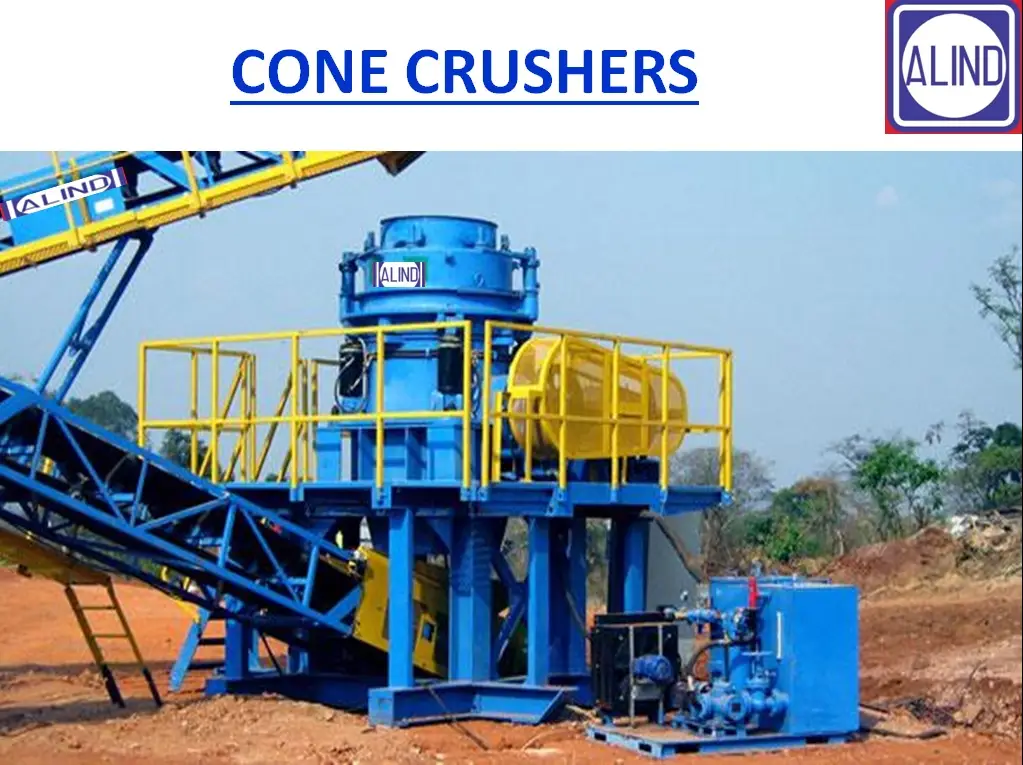
Working Principle:
A crushing cone continuously squeezes and crushes the materials.
Features:
- Better particle shape of the finished product.
- Suitable for secondary and fine crushing.
- Often installed/placed after a jaw crusher.
Commonly used for:
- High-hardness stones.
- High-quality aggregate production.
3. Impact Crusher
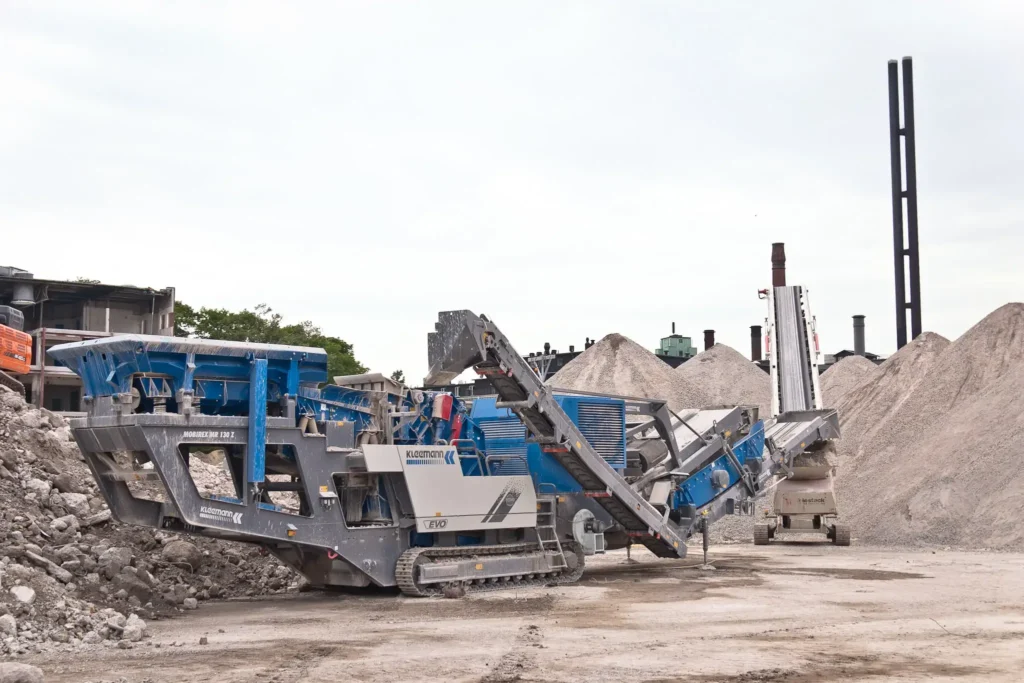
Working Principle:
A high-speed rotor impacts and breaks the stones.
Features:
- Excellent shape of the finished product (cubical shape).
- Suitable for medium-to-low hardness materials.
- Commonly seen in construction waste recycling.
Suitable for:
- Limestone
- Concrete
- Construction waste
4. Hammer Crusher
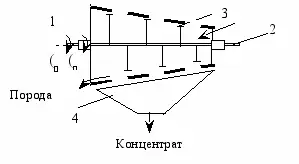
A hammer crusher uses rapidly rotating hammers to strike and break rock. Material passes through a bottom grate once it reaches the required size.
Key features:
- Simple structure, low cost
- High crushing ratio in a single pass
- Less suitable for very hard or abrasive materials
Best suited for: coal, limestone, gypsum, soft construction waste
5. VSI Crusher (Sand Making Machine)
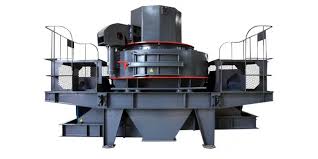
Note: VSI stands for Vertical Shaft Impactor.
Function:
Further crushes stones into manufactured sand (artificial sand).
Features:
- 0–5 mm sand making.
- Excellent particle shape.
- High-speed centrifugal crushing.
A Typical Crushing Process
- Large Stones
- Jaw Crusher (Primary / Coarse Crushing)
- Cone / Impact Crusher (Secondary and Fine Crushing)
- VSI Crusher (Sand Making, Optional)
- Screen (Screening / Sieving)
- Finished Products of Different Specifications
B. By Mobility
Single Machine Series (Scale Progression):
Mini Rock Crusher → Small Rock Crusher → Portable Rock Crusher → Mobile Rock Crusher → Industrial Rock Crusher
Complete System:
Rock Crusher Plant (A complete production line consisting of multiple machines from the above series.)
Portable Rock Crusher (Mobile Crusher)
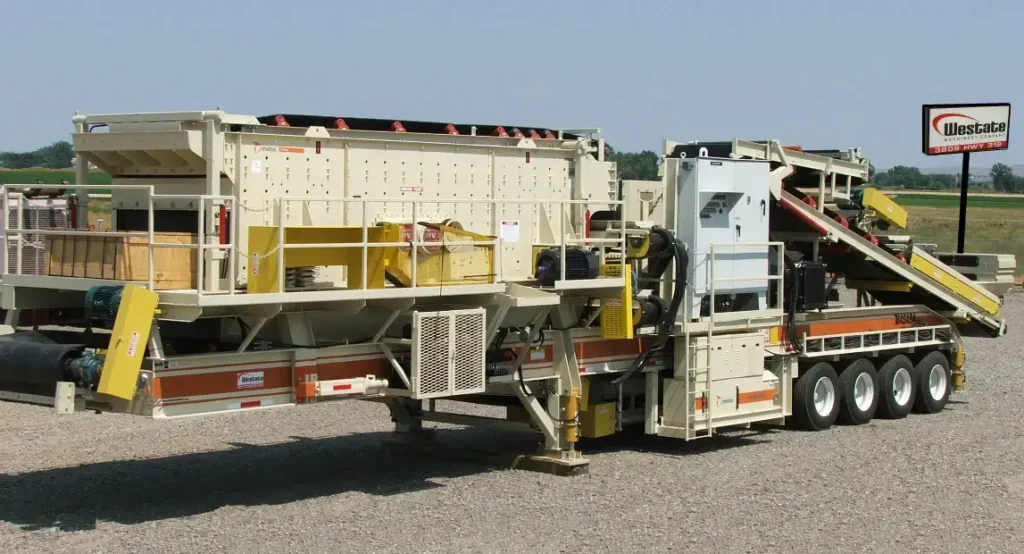
As the name implies, it is a crusher that can be moved. Compared to stationary crushers, it offers the flexibility to relocate to different job sites.
Main Types (Configurations)
- Wheeled Mobile Crusher: Mounted on a wheeled chassis; towed by a semi-truck for relocation.
- Tracked Mobile Crusher (Crawler type): Equipped with an independent crawler track system; can move on its own over rugged terrain.
- Small Push / Trailer-mounted Type: Compact in size; suitable for personal use or small-scale operations.
Advantages
- Flexible and Mobile: Can be driven directly to construction sites, mine pits, or riverbanks for operation.
- Saves Transportation Costs: Crushes materials on-site, reducing the need for long-distance transport of raw stones.
- Rapid Deployment: Does not require the construction of fixed infrastructure or concrete foundations.
- Adaptable to Complex Terrains: Especially the tracked type, which can access areas that stationary equipment cannot reach.
Common Application Scenarios
- Small-scale quarrying and gold prospecting (popular among gold enthusiasts).
- Road and bridge construction sites.
- On-site construction waste recycling and processing.
- Remote mining areas and field exploration.
- Small-scale stone processing on farms and estates.
Huge Variations in Scale
- Personal / Small-scale: Costs ranging from thousands to tens of thousands of RMB; can be hand-pushed or vehicle-mounted; relatively low processing capacity.
- Industrial Mobile Crushing Plants: Costs ranging from hundreds of thousands to millions; complete sets of equipment that integrate crushing, screening, and conveying.
Simply put, a portable rock crusher = putting “legs” on a crusher. It goes wherever the work is, serving as a highly flexible alternative to stationary crushing plants.
Mobile Rock Crusher
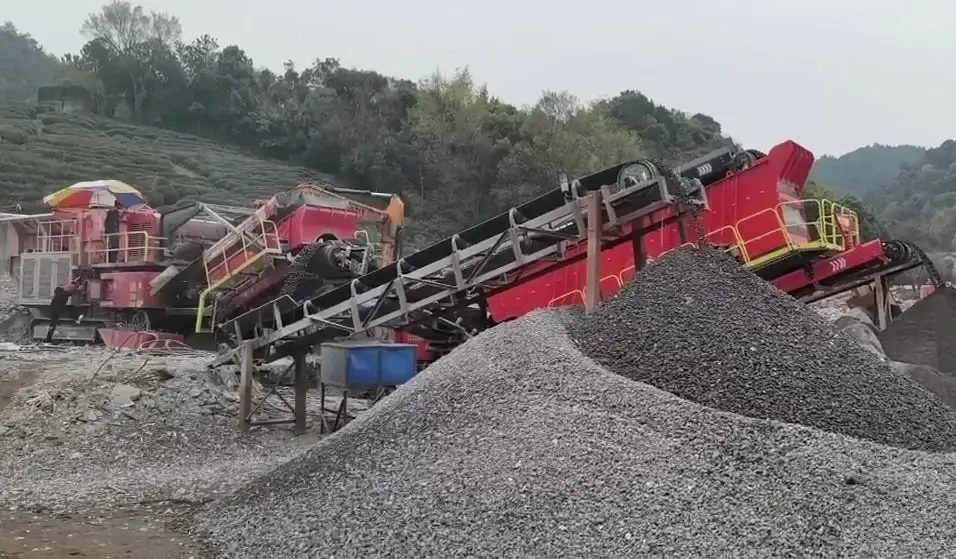
What is a Mobile Rock Crusher?
A Mobile Rock Crusher usually refers to a mobile crushing plant / tracked or wheeled mobile crushing equipment.
Core Features:
- Self-propelled: Commonly features a tracked (crawler) chassis, though wheeled chassis are also available, with tracked models being the majority. They can drive freely around the job site like a tank and easily move short distances within the site.
- High Capacity : Industrial-grade processing capacity, reaching hundreds or even thousands of tons per hour. More suitable for continuous operations and large-scale projects.
- Highly Integrated : Requires no complex foundation installation. A single unit integrates crushing, screening, and belt conveying to form a complete production line.
- Intelligent Control : Modern models are equipped with remote monitoring and automatic adjustment systems.
Simply put:
A Mobile Rock Crusher emphasizes “high on-site maneuverability, high integration, and rapid deployment into production.”
Differences Between Mobile and Portable Crushers
| Comparison Dimension | Portable Rock Crusher | Mobile Rock Crusher |
|---|---|---|
| Scale | Relatively small, lightweight | Medium-to-large, industrial grade |
| Mobility Method | Mostly towable (requires a truck to tow) | Equipped with its own travel system (tracked or wheeled) |
| Self-propulsion | Usually cannot move autonomously | Can drive/propel itself |
| Operation Scale | Small projects, personal use | Large-scale mines, industrial construction |
| Relocation Frequency | Occasional relocation | Frequent movement across the working face/site |
| Supporting Facilities | Relatively simple | Often integrates screening and conveying systems |
Well-known Brands (Mobile Crusher)
- Metso (Finland)
- Sandvik (Sweden)
- Kleemann (Germany, Note: stated as under Caterpillar in the text, though currently part of the Wirtgen Group/John Deere)
- Terex (Ireland / Northern Ireland)
C. By Size and Scale
Mini Rock Crusher
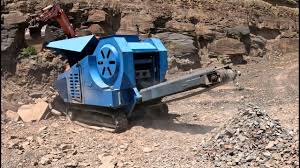
This is the smallest and most lightweight category in the crusher family, primarily aimed at individual users and small-scale operations.
Scale Comparison with Other Types
| Type | Weight | Capacity | Users |
|---|---|---|---|
| Mini Rock Crusher | A few kg to several hundred kg | Extremely small | Individuals, laboratories |
| Portable Rock Crusher | Several hundred kg to a few tons | Small to Medium | Small projects, individual miners |
| Mobile Rock Crusher | Tens of tons | Medium to Large | Industrial construction |
Main Uses
- Laboratories / Scientific Research
Rock crushing prior to geological sample analysis.
Sampling for ore grade testing.
Commonly used by universities and research institutions. - Gold Prospectors (Gold Prospecting)
This is one of the largest consumer groups.
Crushing gold-bearing quartz veins, then using a gold pan to separate the gold.
Very popular in the USA and Australia. - Small Farms / Estates
Processing stone materials for personal use.
Small-scale road paving. - Gem and Mineral Enthusiasts
Crushing ores to find crystals and gemstones.
Personal use by collectors.
Common Product Forms
- Manual Jaw Crusher
Purely manual operation.
Weight around 5–15 kg.
Standard equipment for laboratories.
Price: $100 – $500 - Small Electric Crusher
Can run on standard household electricity (e.g., 110V/220V).
Weight around 20–100 kg.
A favorite among gold prospectors.
Price: $300 – $3,000 - Hammer Mill
Compact hammer and grinding all-in-one machine.
Can grind stones into fine powder.
Price: $500 – $5,000
Where to Buy
- Amazon — Offers many compact models suitable for beginners.
- eBay — Used models are available at affordable prices.
- MBMMLLC, Sunco Machinery — Professional brands specializing in small crushers.
Simply put:
Mini Rock Crusher = The “home appliance version” of rock crushers. Featuring a small footprint, low price, and simple operation, it primarily serves gold prospectors, geological research, and small-scale stone processing needs.
Industrial Rock Crusher
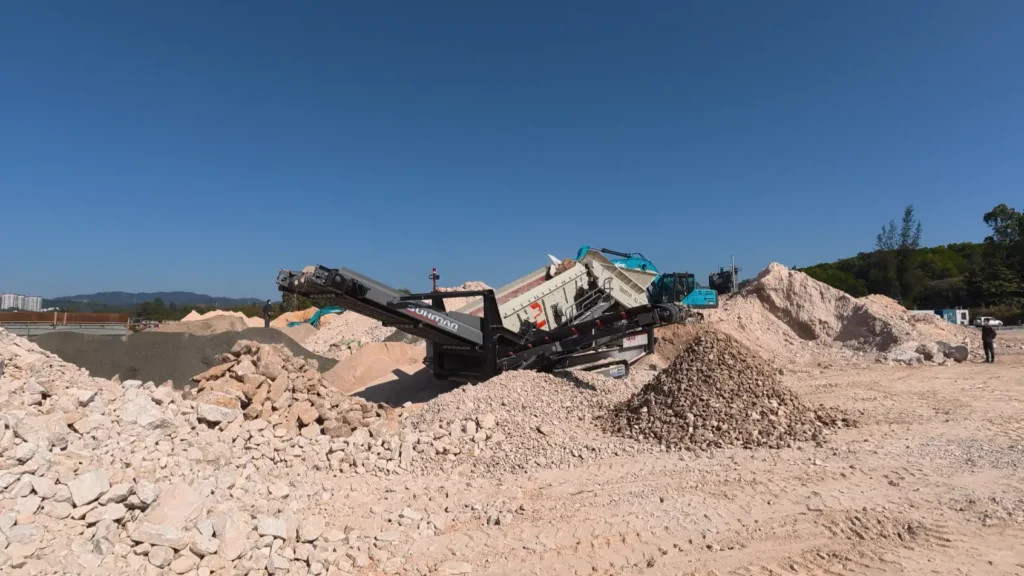
This is the largest and highest-capacity category in the crusher family, specifically designed for large-scale industrial production.
Main Features
| Aspect | Parameters |
|---|---|
| Capacity | 100 tons to 2,000 tons/hour |
| Weight | Tens of tons to hundreds of tons |
| Installation | Mainly stationary (requires infrastructure/foundation construction) |
| Power Source | Driven by large electric motors or diesel engines |
| Lifespan | Design life of 15–30 years |
| Price | $100,000 to millions of dollars |
Main Types
- Industrial Jaw Crusher
Used for primary crushing (coarse crushing).
The feed opening can exceed 1 meter in width.
The first processing stage at the entrance of a mine. - Industrial Gyratory Crusher
Exclusive to ultra-large-scale mines.
Extremely high capacity, capable of reaching up to 5,000 tons/hour.
The most expensive to build. - Industrial Cone Crusher
The main workhorse for secondary and fine crushing.
Produces an excellent particle shape.
The most widely used crusher globally. - Industrial Hammer / Impact Crusher
Suitable for medium-hardness materials such as limestone and coal.
Standard equipment in cement plants.
Main Application Industries
| Industry | Application |
|---|---|
| Mining | Crushing gold, copper, and iron ores |
| Construction Aggregates | Producing crushed stone and manufactured sand |
| Cement Plants | Crushing limestone raw materials |
| Coal & Power | Coal crushing and processing |
| Infrastructure | Construction of large roads, railways, and dams |
Top Brands
| Brand | Country | Strengths |
|---|---|---|
| Metso Outotec | Finland | Global No.1, strongest technology |
| Sandvik | Sweden | Top-tier in cone crushers |
| FLSmidth | Denmark | Expert in the cement industry |
| Thyssenkrupp | Germany | Authority in gyratory crushers |
| Zoomlion | China | High cost-effectiveness, massive export volume |
Core Differences from Other Types
| Comparison Dimension | Mobile/Portable | Industrial |
|---|---|---|
| Flexibility | High | Stationary / Fixed |
| Capacity | Medium | Extremely High |
| Investment Cost | Low to Medium | Extremely High |
| Suitable Scenarios | Scattered / Dispersed job sites | Large-scale stationary mines |
Simply put:
Industrial Rock Crusher = The “heavy industry version” of crushers. Featuring fixed installation, massive capacity, and long-term stable operation, they are the core equipment for large-scale mines and factories.
Rock Crusher Plant
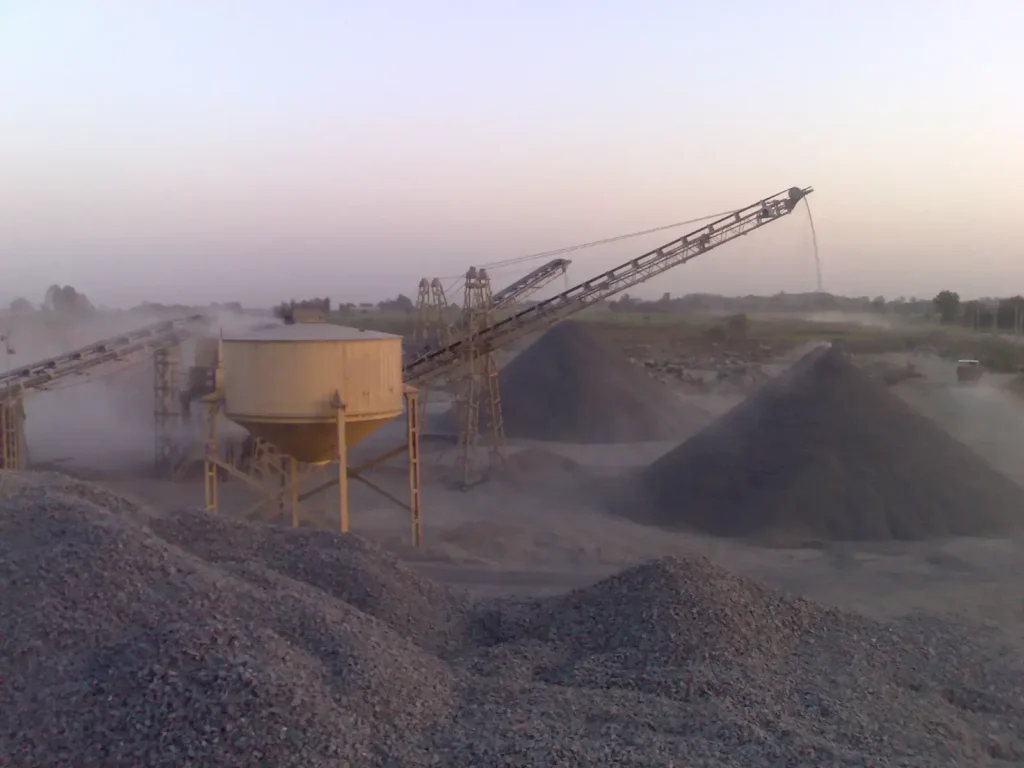
A Rock Crusher Plant is not a single piece of equipment, but a complete crushing production system.
What is a Rock Crusher Plant?
Plant = factory / complete set of equipment. A Rock Crusher Plant refers to the combination of multiple machines to form a complete production line from raw stone input to finished product output.
What equipment does a complete Plant include?
- Raw Stone Input
- [Feeder] — Feeds materials evenly
- [Primary Crusher] — Jaw crusher; turns large stones into medium ones
- [Secondary Crusher] — Cone / Impact crusher; turns medium stones into small ones
- [Tertiary Crusher] — Further fine crushing (optional)
- [Vibrating Screen] — Grades/classifies materials by particle size
- [Belt Conveyor] — Transports materials between different stations
- Finished Product Output (Crushed stones of different specifications)
Main Types
| Type | Features |
|---|---|
| Fixed Crusher Plant | Permanently installed, maximum capacity, suitable for long-term large-scale production. |
| Mobile Crusher Plant | The entire set of equipment is mobile, allowing for flexible deployment. |
| Modular Crusher Plant | Prefabricated modules, enabling fast assembly and disassembly. |
Differences Between a Plant and a Single Crusher
| Category | Single Rock Crusher | Rock Crusher Plant |
|---|---|---|
| Composition | A single machine | Combination of multiple machines |
| Function | Single crushing function | Integrates crushing + screening + conveying |
| Product | Uneven particle size | Simultaneous output of multiple specifications |
| Investment | Low | High |
| Efficiency | Low | High |
| Suitability | Small-scale / Temporary operations | Large-scale / Long-term production |
Capacity and Price Reference
| Scale | Capacity | Price Range |
|---|---|---|
| Small Plant | 50–100 tons/hour | $50,000 – $200,000 |
| Medium Plant | 100–300 tons/hour | $200,000 – $800,000 |
| Large Plant | 300–1000 tons/hour | $800,000 – $5,000,000+ |
Application Scenarios
- Quarries: Producing construction aggregates (the primary use).
- Large Infrastructure Projects: High-speed railways, highways, and dams.
- Cement and Steel Plants: Raw material pretreatment.
- Construction Waste Treatment Plants: Recycling and reusing waste materials.
Applications by Industry
Quarry Rock Crusher
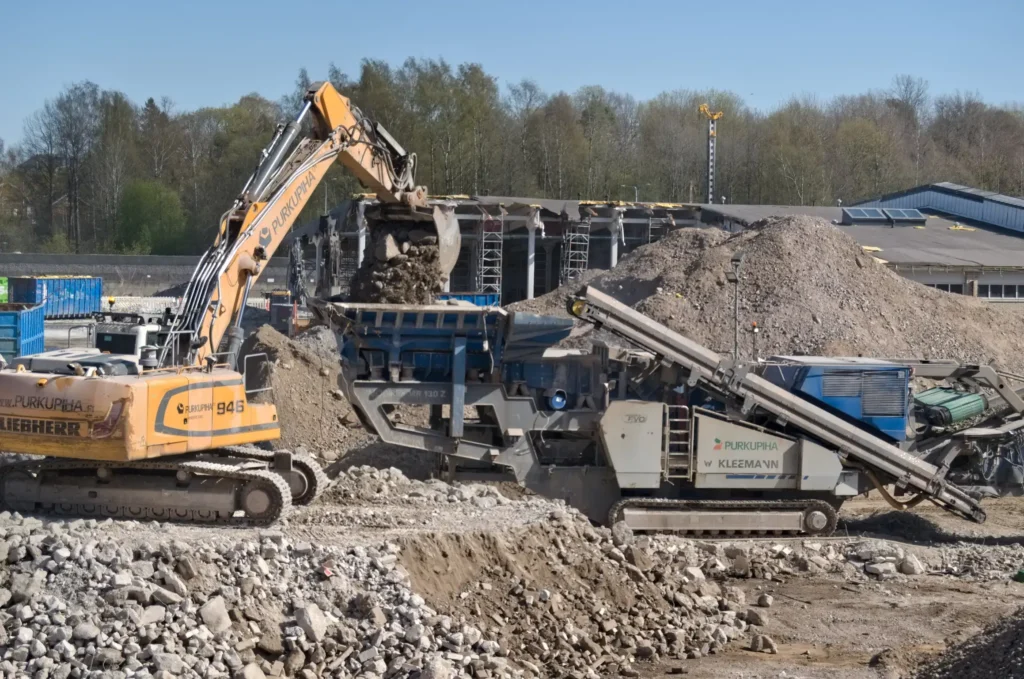
A quarry rock crusher is specifically designed for quarry operations.
What is a Quarry?
A quarry is a place where natural stones such as limestone, granite, and sandstone are extracted from the earth’s surface on a large scale. It is the primary source of construction aggregates.
The Role of a Quarry Rock Crusher in a Quarry
- Blasting to extract large rocks
- [Quarry Rock Crusher]
- Crushing into various specifications of crushed stone
- Selling to construction, road building, cement, and other industries
Core Differences
| Defined By | Focus | |
|---|---|---|
| Rock Crusher | Function | General term |
| Mobile Rock Crusher | Mobility | Whether it can be moved |
| Industrial Rock Crusher | Scale | Large-scale, industrial grade |
| Rock Crusher Plant | System | Complete production line |
| Quarry Rock Crusher | Location | Specifically for quarrying |
Common Types of Crushers Used in Quarries
A typical configuration involves three-stage crushing:
| Stage | Equipment | Function |
|---|---|---|
| Primary Crushing | Jaw Crusher | Large rocks → Medium rocks |
| Secondary Crushing | Cone Crusher | Medium rocks → Small rocks |
| Tertiary Crushing | Impact Crusher / VSI Crusher | Small rocks → Finished crushed stone / Manufactured sand |
Special Requirements for Quarry Crushers
Compared to other scenarios, crushers specifically for quarries require:
- Extreme wear resistance — Hard rocks like granite cause significant wear and tear.
- Large feed opening — Rocks are very bulky after blasting.
- High reliability — Quarries often operate continuously for 24 hours.
- Easy maintenance — Quick replacement of wear parts to reduce downtime.
- Dustproof design — Quarries generate extremely high levels of dust.
Commonly Processed Stones
| Stone Material | Hardness | Main Uses |
|---|---|---|
| Limestone | Medium | Cement raw material, aggregates |
| Granite | Extremely High | High-grade aggregates, roadbeds |
| Basalt | High | Railway ballast, asphalt pavement |
| Sandstone | Medium | Building stone |
| River Stone (Pebbles) | High | Manufactured sand |
Market Scale
The global quarrying industry produces about 50 billion tons of aggregates annually. It is the largest downstream market for crushers, accounting for over 60% of global crusher sales.
Here is the English translation, maintaining the professional terminology, formatting, and emojis from your text:
Mining Rock Crusher
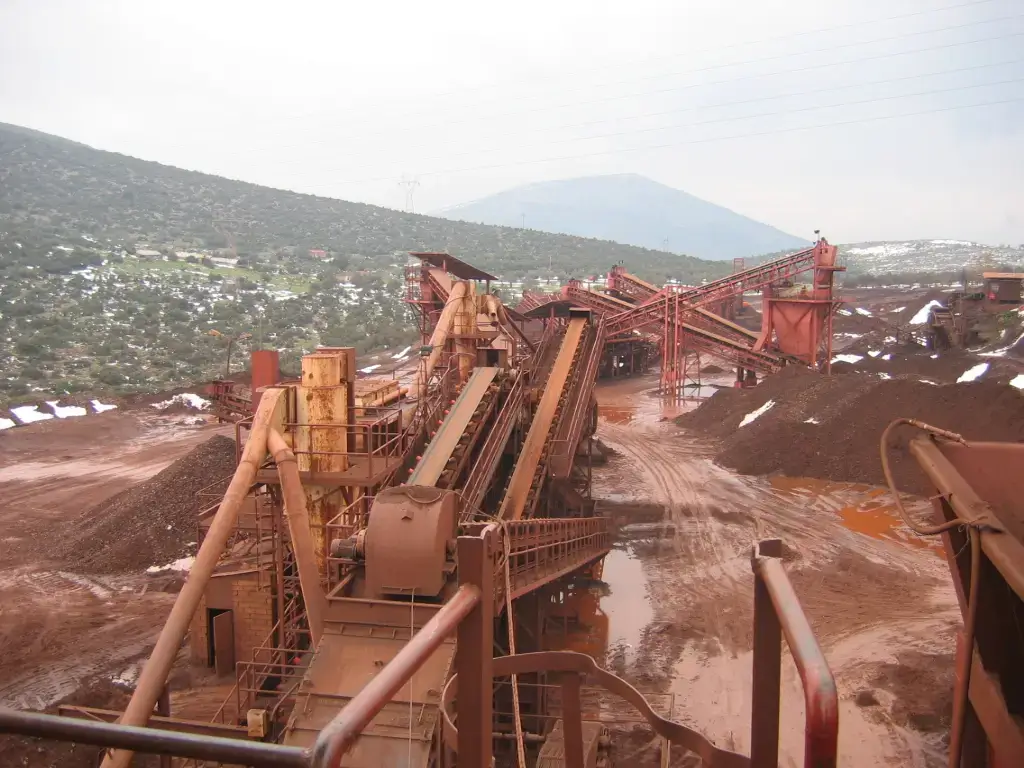
Mining vs. Quarry
| Comparison Dimension | Quarry Rock Crusher | Mining Rock Crusher |
|---|---|---|
| Location | Open-pit quarries | Mines (including underground mines) |
| Extracted Material | Stones (limestone, granite, etc.) | Ores (gold, copper, iron, coal, etc.) |
| Purpose | Producing construction aggregates | Extracting metals / mineral components |
| Subsequent Processes | Direct sale of crushed stone | Requires beneficiation (ore dressing) and smelting |
| Hardness Requirement | High | Even higher (ores are harder) |
| Scale | Medium to Large | Large to Ultra-large |
Simply put: A Quarry mines “stones”, while Mining extracts “ores”.
Special Requirements for Mining Crushers
The mining environment is harsher than that of a quarry:
- Ultra-high wear resistance — Iron ore and copper ore have extremely high hardness.
- Explosion-proof design — Coal mines require explosion-proof equipment.
- Corrosion resistance — Ores often contain acidic or alkaline substances.
- Ultra-large processing capacity — Large-scale mines process tens of thousands of tons daily.
- Underground operation capability — Some equipment needs to operate in confined underground spaces.
Common Crusher Types in Mining
| Ore Type | Common Crushers | Reason |
|---|---|---|
| Gold Ore | Jaw + Cone + Ball Mill | Needs to be ground into ultra-fine powder to extract gold. |
| Iron Ore | Gyratory + Cone | Extremely high capacity demand. |
| Copper Ore | Gyratory + Cone + Impact | High hardness; requires multi-stage crushing. |
| Coal Mine | Hammer + Double Toothed Roll Crusher | Coal is relatively soft and doesn’t require extreme crushing force. |
| Gypsum Mine | Impact + Hammer | Relatively soft texture. |
Major Global Mining Markets
| Region | Primary Ores | Representative Countries |
|---|---|---|
| Australia | Iron ore, Gold ore | World’s largest iron ore exporter. |
| South America | Copper ore, Lithium ore | Chile, Peru. |
| Africa | Gold ore, Diamonds, Platinum group metals | South Africa, DR Congo. |
| China | Coal, Rare earths | World’s largest coal producer. |
| North America | Gold ore, Copper ore | USA, Canada. |
Aggregate Rock Crusher
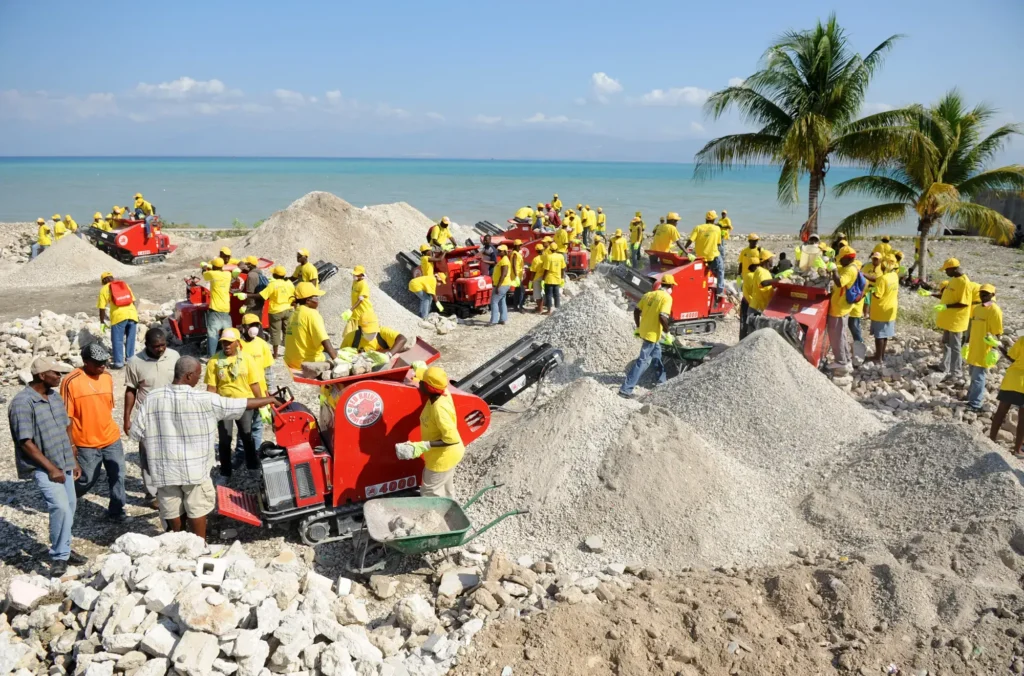
What is Aggregate?
Aggregate is a general term for granular construction materials such as crushed stone and sand. It is the core raw material for concrete, asphalt pavements, and railway ballast.
The global aggregate market size exceeds $500 billion/year, making it the most fundamental material in the construction industry.
Differences
| Keyword | Defined By | Output Product |
|---|---|---|
| Quarry Rock Crusher | Location | Various crushed stones |
| Mining Rock Crusher | Location | Crushed ore pieces (for extraction/refining) |
| Aggregate Rock Crusher | Output Material | Standard specification construction aggregates |
The goal of an aggregate crusher is to produce standardized crushed stone that meets construction codes, with stricter requirements on particle shape and size.
Standard Specifications of Aggregates
| Specification | Particle Size | Main Uses |
|---|---|---|
| Coarse Aggregate | 5–31.5mm | Concrete structures |
| Medium Aggregate | 10–20mm | Asphalt pavements |
| Fine Aggregate / Manufactured Sand | 0–5mm | Mortar, concrete filler |
| Railway Ballast | 25–50mm | Railway roadbeds / trackbeds |
Standard Crushing Process for Aggregate Production
- Raw Stone (Extracted via blasting)
- Primary Crushing (Jaw Crusher)
- Secondary Crushing (Cone Crusher) ← Key to aggregate shaping
- Shaping (VSI / Vertical Shaft Impact Crusher) ← Makes particles more cubical / rounder
- Vibrating Screening (Grading into different specifications)
- Finished Standard Aggregate Products
Special Requirements for Aggregate Dedicated Crushers
| Requirement | Reason |
|---|---|
| Good Particle Shape | Aggregate particles should be close to a cube, avoiding flaky and elongated shapes. |
| Uniform Particle Size | To meet standard construction codes and specifications. |
| Low Powder Content | Excessive dust/powder affects the compressive strength of concrete. |
| Stable Capacity | Construction sites require a continuous and steady supply. |
Main Downstream Applications
| Industry | Aggregate Uses | Percentage |
|---|---|---|
| Construction | Concrete aggregates | ~45% |
| Road Construction | Roadbeds, asphalt aggregates | ~30% |
| Railways | Railway ballast | ~10% |
| Water Conservancy | Dam concrete | ~8% |
| Others | Landfill/Backfill, pipe laying | ~7% |
Purchasing, Brands and Market Information
A. Top Rock Crusher Brands
Several manufacturers dominate the global rock crusher market. Here are the most recognized names:
International Brands
| Brand | Country | Known For |
|---|---|---|
| Metso Outotec | Finland | World leader, full range of crushers |
| Sandvik | Sweden | Premium cone crushers |
| Kleemann | Germany | Mobile crushing plants |
| Terex Finlay | Ireland | Portable and mobile crushers |
| McCloskey | Canada | Heavy-duty mobile equipment |
B. Rock Crusher Machine Price
Price varies significantly depending on type, size, and brand origin.
| Type | Price Range |
|---|---|
| Mini Rock Crusher | $100 — $3,000 |
| Small Rock Crusher | $1,000 — $30,000 |
| Portable Rock Crusher | $15,000 — $80,000 |
| Mobile Rock Crusher | $50,000 — $500,000 |
| Industrial Rock Crusher | $100,000 — $2,000,000+ |
| Rock Crusher Plant | $200,000 — $5,000,000+ |
Several factors drive the final price:
- Brand origin — European and American brands cost significantly more than Chinese equivalents
- Crusher type—Gyratory crushers cost far more than jaw crushers of similar capacity
- Mobility — Track-mounted units cost more than fixed installations
- Capacity — Higher throughput means higher price
C. Mobile Rock Crusher Wholesaler
Buyers looking for wholesale suppliers have several reliable options.
Online B2B Platforms
- Alibaba.com—Largest pool of Chinese manufacturers, prices are transparent
- Made-in-China.com — Strong focus on industrial machinery
- Global Sources — Verified suppliers with stricter quality screening
Key things to check before buying:
- CE certification (required for European markets)
- ISO 9001 quality certification
- Spare parts availability and lead time
- After-sales support and warranty terms
Negotiation tips:
- Always request CIF pricing, not just ex-factory price
- Compare at least 3–5 suppliers before committing
- Ask about spare parts costs — long-term operating cost matters more than purchase price
D. How to Choose a Rock Crusher
Choosing the right crusher comes down to four key questions:
What material are you crushing?
Hard rocks like granite need jaw or cone crushers. Softer materials like limestone work well with impact or hammer crushers.
What output size do you need?
Coarse output for road base requires less processing than fine aggregate or manufactured sand, which may need a VSI crusher as the final stage.
Do you need mobility?
Fixed sites with long-term production suit stationary plants. Short-term projects or multiple job sites call for mobile or portable units.
What is your budget?
Chinese brands offer strong value for budget-conscious buyers. European brands deliver premium performance and longer service life for high-demand operations.
When in doubt, consult the manufacturer directly. Provide your material type, required capacity, and target output size. A reputable supplier will recommend the right configuration for your needs.