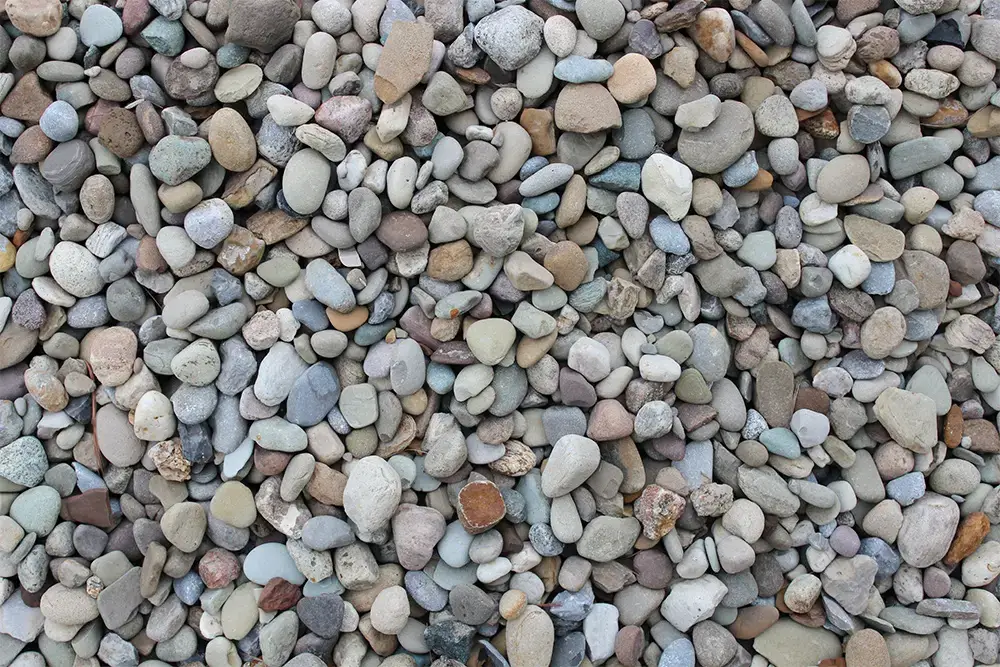
#4 gravel (also called #4 stone or #4 rock) is a type of coarse aggregate that measures roughly 1 to 1.5 inches (25–38 mm) in diameter — about the size of a golf ball or large marble.
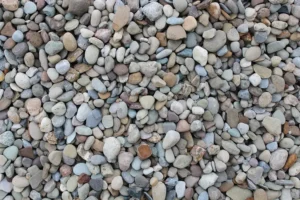
It comes in two main forms:
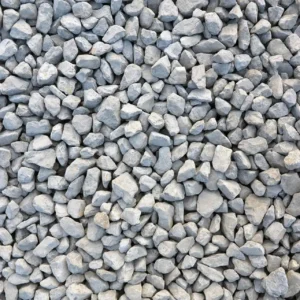
- Crushed stone — Angular, jagged edges from mechanically crushing larger rocks (limestone, granite, trap rock). Locks together better when compacted.
- River/natural gravel — Smooth, rounded stones worn down by water. Easier to shovel and handle.
The “#4” designation comes from ASTM (American Society for Testing and Materials) aggregate sizing standards, which classify stone by the screen size it passes through during processing.
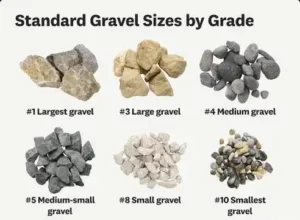
How Does #4 Gravel Compare to Other Sizes?
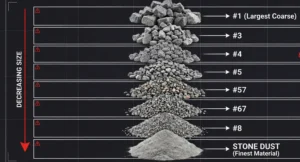
| Grade | Approximate Size | Best For |
|---|---|---|
| #8 / Pea Gravel | ⅜ inch | Walkways, playgrounds |
| #57 Stone | ½ – 1 inch | Driveways, concrete mix |
| #4 Stone | 1 – 1.5 inches | Drainage, pipe bedding |
| #3 Stone | 1.5 – 2 inches | Heavy drainage, French drains |
| #2 Stone | 2 – 3 inches | Rip-rap, erosion control |
The larger the stone, the bigger the air gaps between pieces — and that means better drainage.
Key Properties of #4 Gravel
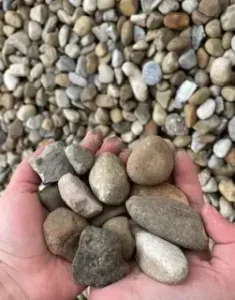
- Excellent drainage — Large void spaces let water pass through quickly
- Good load-bearing capacity — Handles vehicle and equipment weight
- Low compaction — Stones don’t lock tightly together, which is ideal under pipes
- Versatile — Works in wet or dry conditions
- Widely available — Sold by most landscape supply and building material yards
6 Good Uses for #4 Gravel
1. French Drains & Drainage Systems
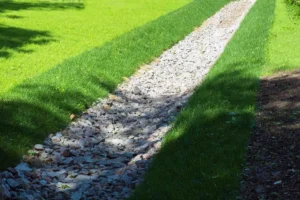
This is #4 gravel’s most popular job. When built around a perforated pipe in a trench, the large stones create open channels for water to flow freely, directing it away from foundations, yards, or low spots. Its size prevents clogging without requiring landscape fabric in many applications.
2. Pipe Bedding
Utility contractors rely on #4 stone to cushion and stabilize water, sewer, gas, and electrical conduit lines underground. Laid beneath and around pipes, it distributes load evenly and prevents pipes from shifting or cracking over time.
3. Septic System Drain Fields
#4 gravel is a go-to material for septic leach fields. It surrounds the distribution pipes to allow treated wastewater to slowly percolate into the surrounding soil — a function that requires excellent, consistent drainage over many years.
4. Foundation Drainage
Placed around basement walls and footings, #4 stone relieves hydrostatic pressure (water pressure building up against your foundation). It allows groundwater to drain downward rather than pushing against concrete walls and causing leaks or cracks.
5. Driveway Base Layer
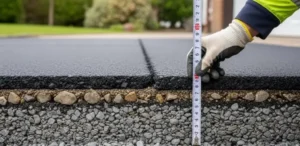
While #4 gravel can be used as a surface material, it’s most effective as a base course beneath asphalt, pavers, or compacted gravel driveways. It provides a stable, well-draining foundation that prevents heaving and rutting.
6. Erosion Control
Along stream banks, hillsides, or drainage channels, #4 stone slows water flow and holds soil in place. It’s heavy enough not to wash away in moderate rainfall while still allowing water to pass through.
How Much #4 Gravel Do You Need?
Use this simple formula:
Cubic yards = (Length ft × Width ft × Depth ft) ÷ 27
For most drainage trenches, a depth of 6–12 inches of #4 gravel is standard. Most suppliers sell it by the ton or cubic yard — one cubic yard weighs approximately 1.4 to 1.7 tons, depending on the stone type.
Where to Buy #4 Gravel
#4 stone is available at:
- Local landscape supply yards (usually the cheapest per ton)
- Building material suppliers and quarries
- Big-box home improvement stores (in bags for small projects)
Prices vary by region and stone type, but generally range from $25 to $65 per ton before delivery.