1. Introduction
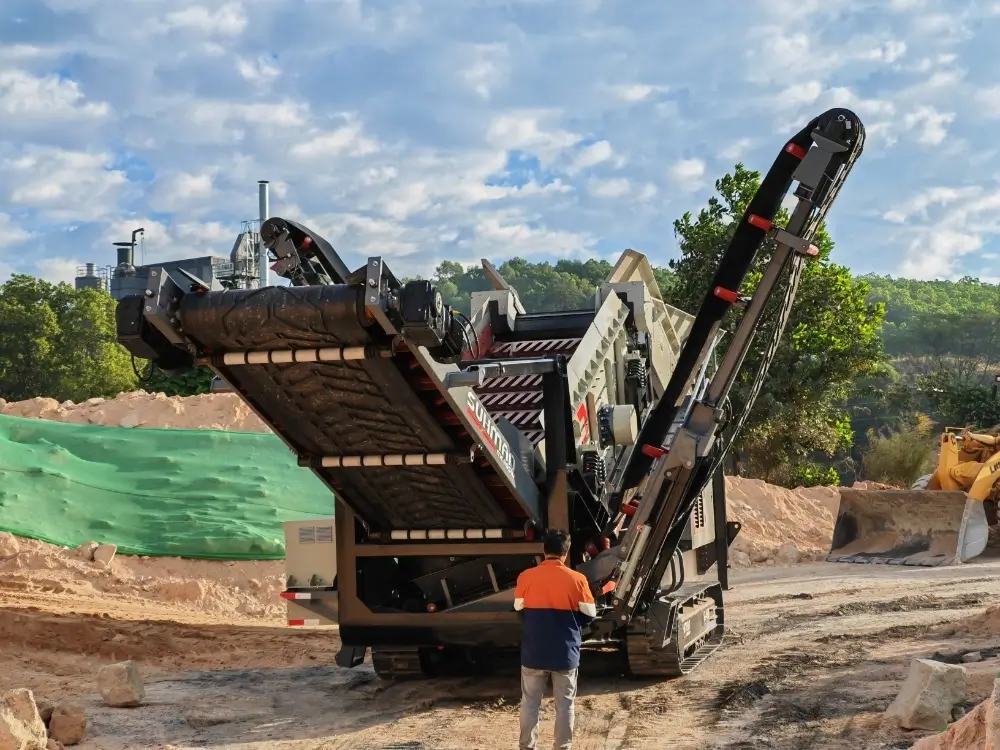
A scalping screen helps remove oversized material before the main crushing, washing, or screening stage. Many mining, quarrying, recycling, and construction sites use this machine to protect downstream equipment and maintain stability throughout the process.
However, buyers often see different names online. Some suppliers say scalper screen. Others use scalp screen, scalper screen machine, or mobile scalping screen. In most cases, these terms refer to the same basic function: early-stage separation of large material.
This guide explains what a scalping screen means, how it works, where people use it, and how to choose the right machine.
2. What Is a Scalping Screen? Meaning & Core Concept
A scalping screen removes large or unwanted material at the primary stage. It usually works before a crusher, washer, or final sizing screen.
In simple terms, the definition of a scalping screen is this: a machine that separates oversized material from feed material before the next process.
A scalp screen does not always aim for final product sizing. Instead, it focuses on fast and rough separation. This makes it different from a fine sizing screen.
For example, a quarry may use a primary scalping screen before a jaw crusher. The screen removes soil, fines, and very large rocks. As a result, the crusher handles a cleaner and more suitable feed.
3. How Does a Scalping Screen Work?
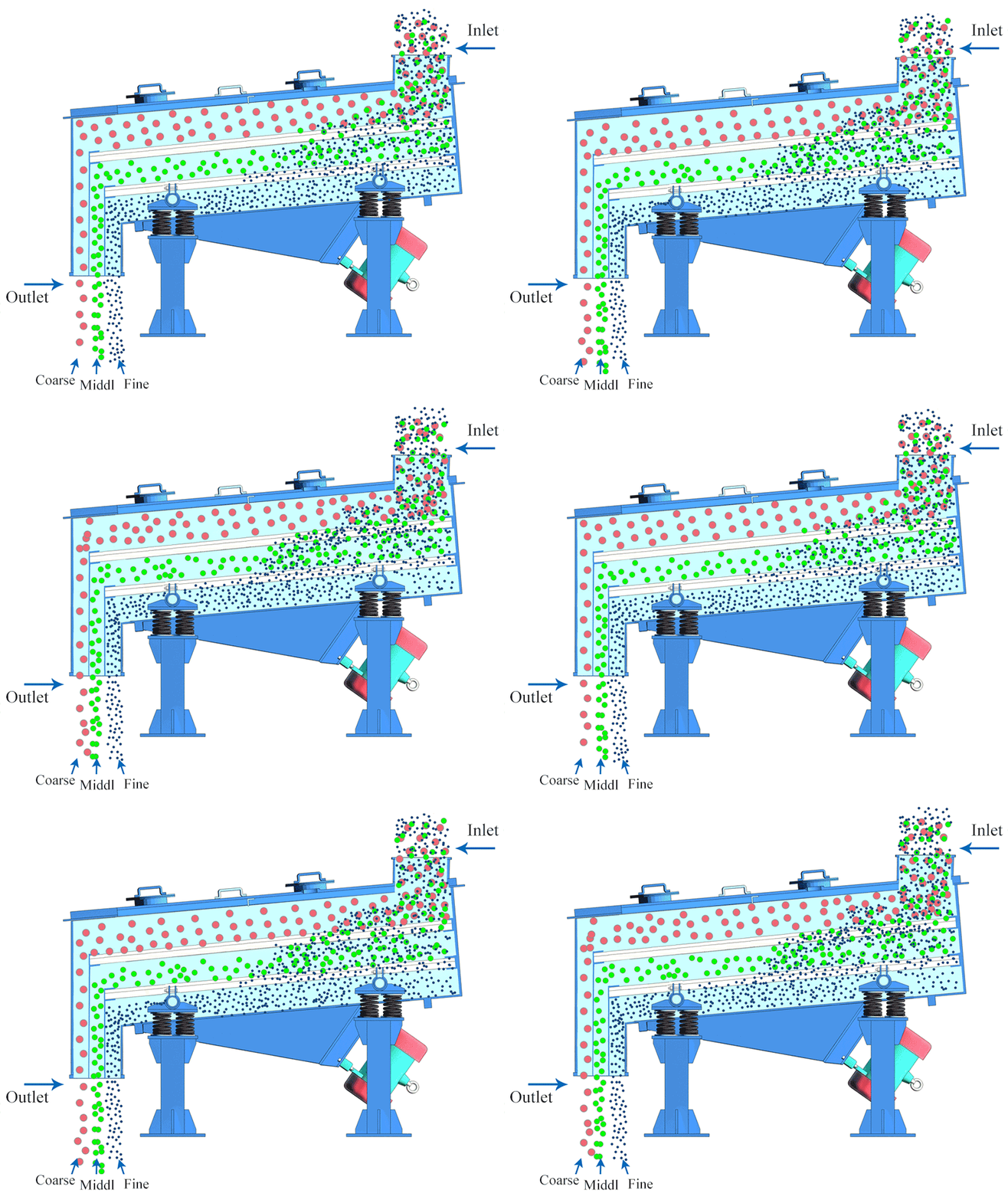
A scalping screen uses vibration, screen media, and gravity to separate material by size.
First, the loader or feeder sends raw material onto the screen deck. Then, the screen shakes the material across the surface. Smaller particles fall through the openings. Larger pieces move forward and leave from the discharge end.
From there, the oversized material may go to a crusher. The smaller material may go to a stockpile, conveyor, washer, or next screening stage.
Several factors affect the result. These include deck size, screen opening, stroke, angle, moisture, and feed speed. Wet or sticky material can slow the process. Large and sharp rocks can also increase wear.
Therefore, buyers should not look at capacity alone. They should also check material type and site conditions.
4. Types of Scalping Screens and Configurations
Different sites need different scalping screen designs. A fixed quarry plant does not have the same needs as a short-term recycling job.
A standard scalper screen machine often works in a fixed plant. It connects with crushers, conveyors, and feeders. This setup suits long-term production sites.
A heavy-duty scalping screen handles large, abrasive, or high-volume feed. Mining and quarrying sites often need this type because the material can be hard and uneven.
A sizing and scalping screen does two jobs in one pass. It removes oversized material and also separates useful product sizes. This setup can reduce extra equipment, but it may also need more careful screen media selection.
A compact scalping screen works well where space is limited. In contrast, a large scalping screen suits high-capacity plants.
Some applications may use a horizontal scalping screen or a disc scalper screen. These designs fit special materials or layout needs.
5. Screen Media Comparison — Wire Mesh, Polyurethane, and Rubber
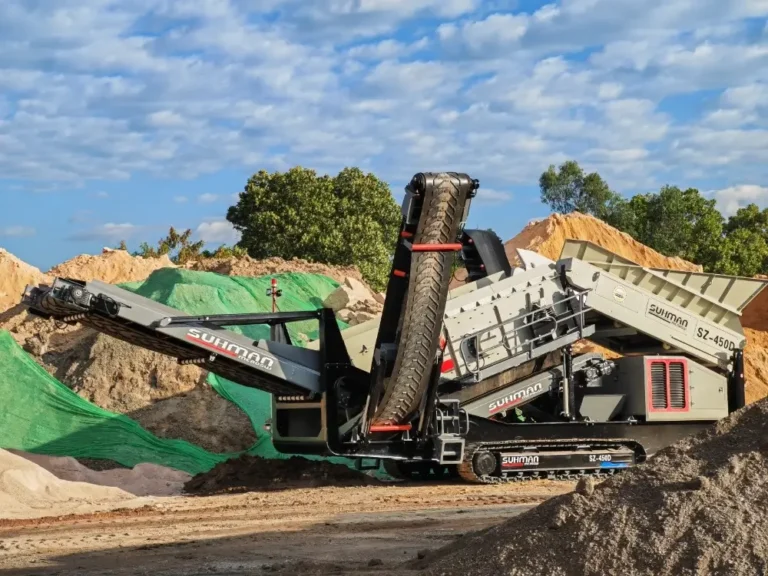
Choosing the right screen media is as important as choosing the machine itself. The wrong material can reduce efficiency, increase downtime, and raise operating costs.
Wire Mesh
Wire mesh is the most common choice for scalping screens. It offers precise opening sizes, good open area, and low cost per panel. It suits dry, non-sticky materials such as limestone, granite, and dry gravel.
However, wire mesh wears faster when handling highly abrasive material like silica or hard rock. It also performs poorly with wet or sticky feed, where blinding and pegging are more likely.
Best for: dry rock, aggregates, coal, and general-purpose scalping.
Polyurethane
Polyurethane panels offer significantly longer wear life than wire mesh in abrasive conditions — often three to five times longer. They also handle wet material better because the flexible surface resists blinding more effectively.
Polyurethane is modular, which makes panel replacement faster. However, it typically has a lower open area than wire mesh, which can reduce throughput if not properly sized. It also costs more per panel upfront.
Best for: wet or moist material, high-abrasion rock, silica sand, and operations where downtime for media replacement is costly.
Rubber
Rubber screen media excels in high-impact applications. Where large, heavy rock drops onto the deck at high volume, rubber absorbs the shock and protects both the media and the screen frame. It also produces less noise than steel or polyurethane, which matters on sites near residential areas.
Like polyurethane, rubber resists blinding in wet conditions. Its open area is lower, and it is generally heavier to handle during replacement. Rubber is not ideal for fine separations because its flexibility can cause opening size variation under load.
Best for: primary scalping of large, heavy rock; high-impact feed; noise-sensitive sites.
Summary Comparison
| Property | Wire Mesh | Polyurethane | Rubber |
|---|---|---|---|
| Wear life | Moderate | High | High |
| Impact resistance | Low | Moderate | Excellent |
| Blinding resistance | Low | Good | Good |
| Open area | High | Moderate | Low |
| Upfront cost | Low | Medium–High | Medium–High |
| Best material | Dry, non-abrasive | Wet, abrasive | Large, heavy, high-impact |
When in doubt, consult your supplier with a material sample or full material description. The right media choice can extend service intervals and improve separation quality significantly.
6. Mobile vs. Fixed: Which Scalper Screen Do You Need?
A fixed scalper screen works best for stable, long-term sites. It can support high production and connect smoothly with a full plant system.
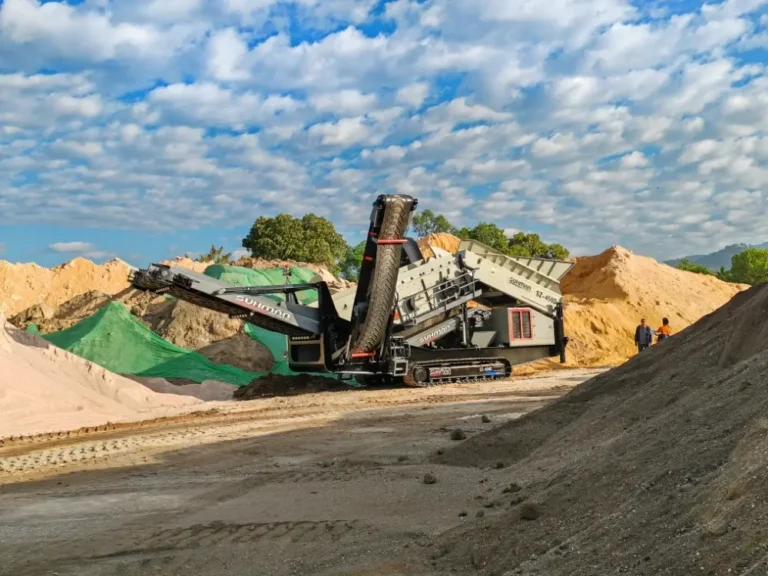
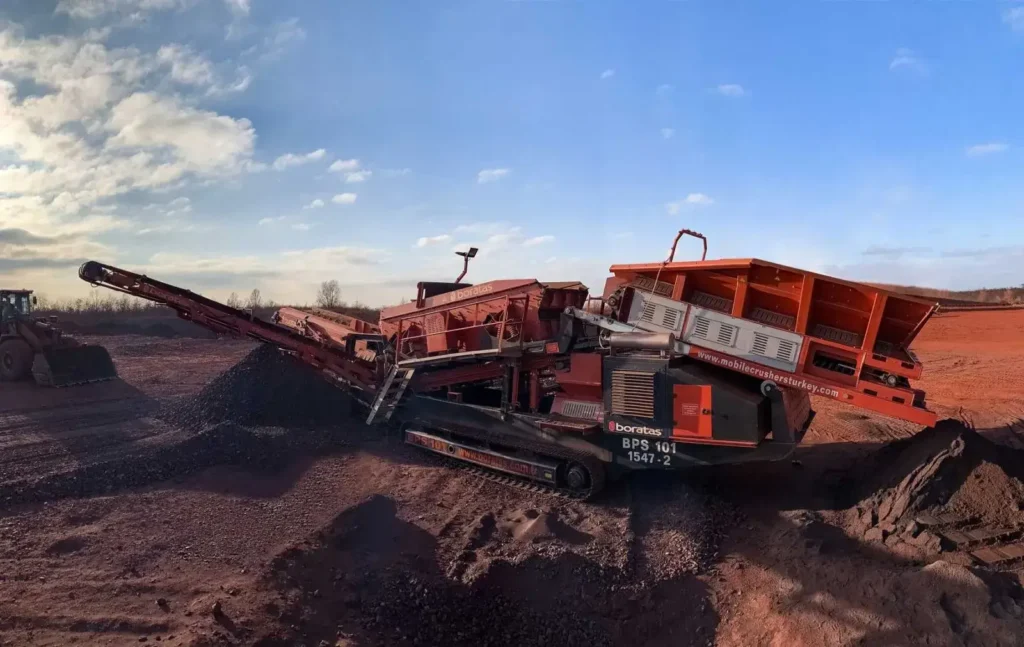
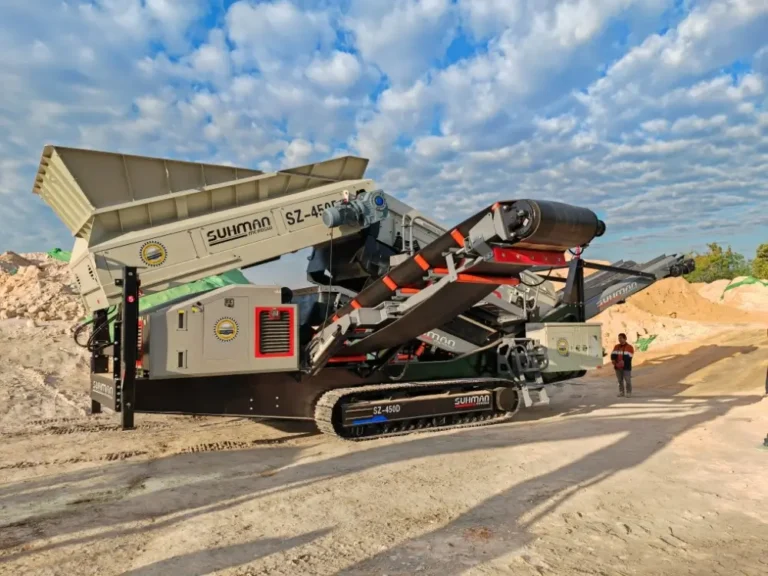
A mobile scalping screen gives more flexibility. Contractors often move it between job sites. Recycling companies also use it when material comes from different locations.
A mobile scalper screen can help when the site changes often. It can also reduce transport cost because operators can screen material on site.
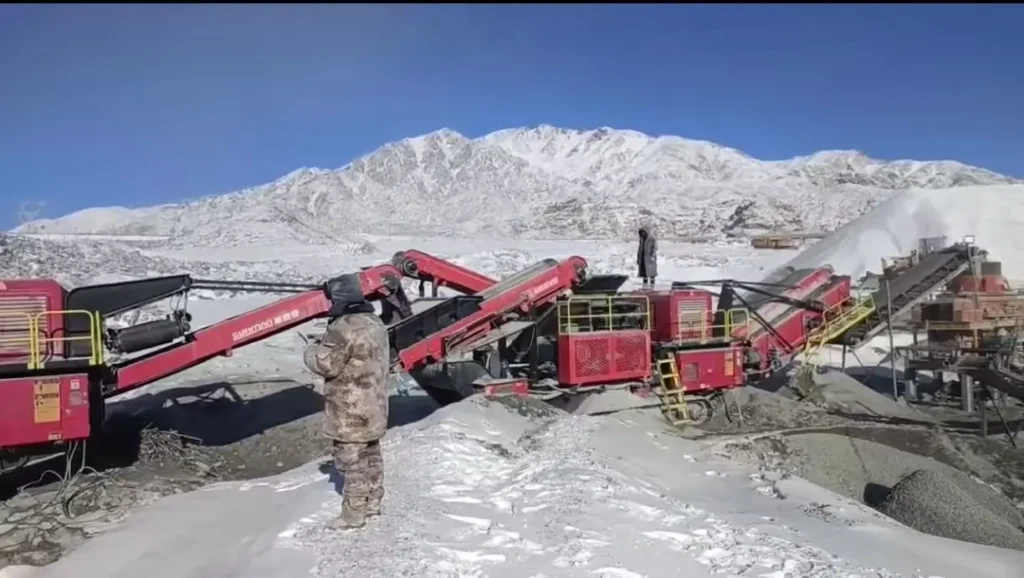
A mobile scalping screen plant usually includes the screen, conveyors, tracks or wheels, and power system. Some buyers also search for portable scalping screen equipment. Portable units often move by trailer, while tracked mobile units can move around the job site more easily.
In short, choose mobile equipment if flexibility matters. Choose fixed equipment if you need steady high-volume production at one site.
7. Scalping vs. Sizing: Do You Really Need Both Functions?
Scalping and sizing sound similar, but they serve different goals.
A scalping screen removes unwanted oversized material early. A sizing screen separates material into more exact product sizes.
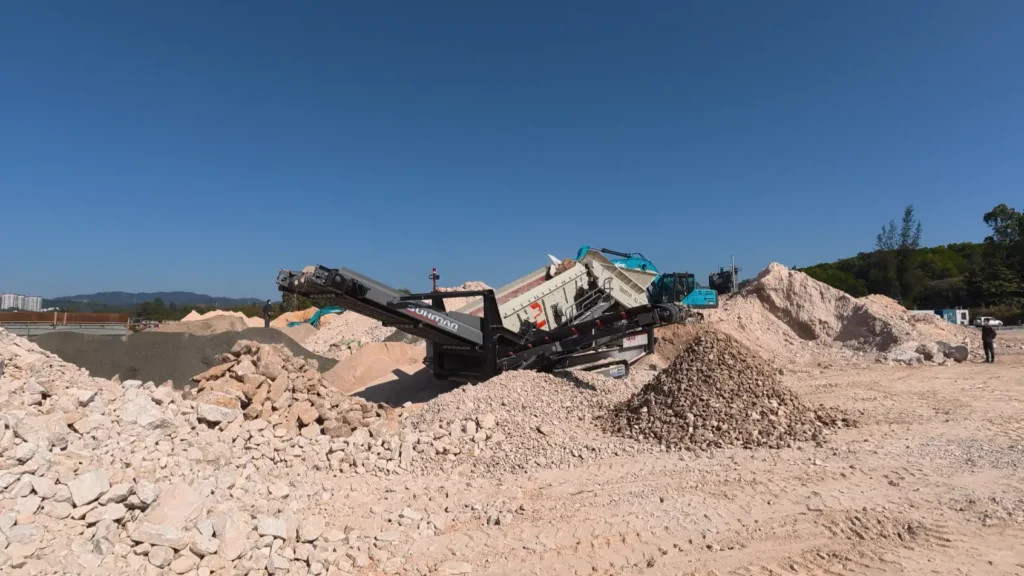
A sizing and scalping screen can help when you need both rough separation and product classification. For example, one machine may remove large rocks and also create a usable, smaller product.
However, this choice depends on your process. If you only need to protect a crusher, a simple scalping screen may be enough. If you need saleable products from the same pass, a sizing and scalping screen may make more sense.
Also, remember that more functions can bring more wear and setup work. So, buyers should compare capacity, screen media, and maintenance needs before choosing.
8. Scalping Screens Across Industries & Environments
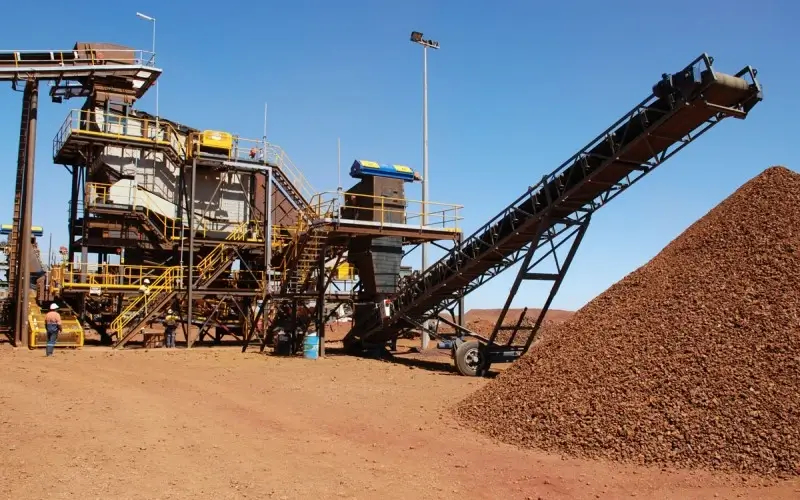
Many industries use scalping screens because raw material often arrives mixed, dirty, or oversized.
In scalping screen mining, operators use the machine to protect crushers from large rocks. It also helps when ore contains wet or sticky fines.
In quarrying and aggregates, a scalping screen removes fines and oversized stone before secondary crushing. This helps improve crusher performance and product quality.
Gravel operations may use a gravel scalp screen before washing or crushing. The screen removes cobbles and large unwanted pieces.
Asphalt and paving plants use scalping screens to remove oversized material, aggregate and debris before the material enters the dryer or mixing unit. Contaminated or oversized feed can disrupt mix consistency and damage downstream equipment, making early-stage separation a practical necessity rather than an optional step.
Construction and demolition recycling sites use scalper screens to separate concrete, asphalt, brick, and debris by size.
Coal preparation plants may use coal scalping screens before washing circuits. This helps remove large pieces and improve process flow.
Environmental remediation sites may also use mobile scalping equipment. On-site screening can reduce hauling and help sort contaminated soil or rubble.
9. How to Choose the Right Scalper Screener
Start with the material. This is the most important step.
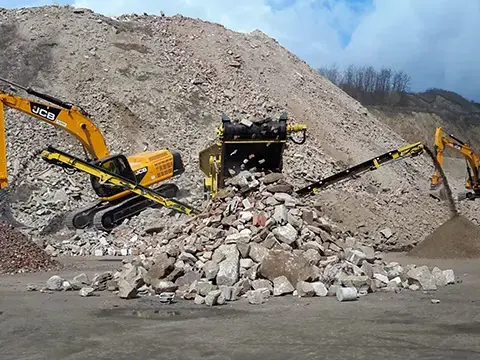
Check the maximum feed size, moisture level, stickiness, abrasiveness, and contamination. Then, match the machine to the required capacity.
Next, compare the key specs. Look at deck size, screen media, power system, stroke, angle, and service access. Do not only compare the model name.
If your material is large and hard, choose a heavy duty scalping screen. If your site changes often, consider a mobile unit. If space is tight, a compact scalping screen may work better.
Also ask suppliers clear questions:
- What material did you use to estimate capacity?
- What screen media do you recommend?
- How easy is it to replace wear parts?
- Do you keep spare parts in stock?
- Can this machine handle wet or sticky feed?
- What support do you offer after delivery?
These questions help you avoid a machine that looks good on paper but performs poorly on site.
10. Scalping Screen Design, Feeder, and Plant Integration
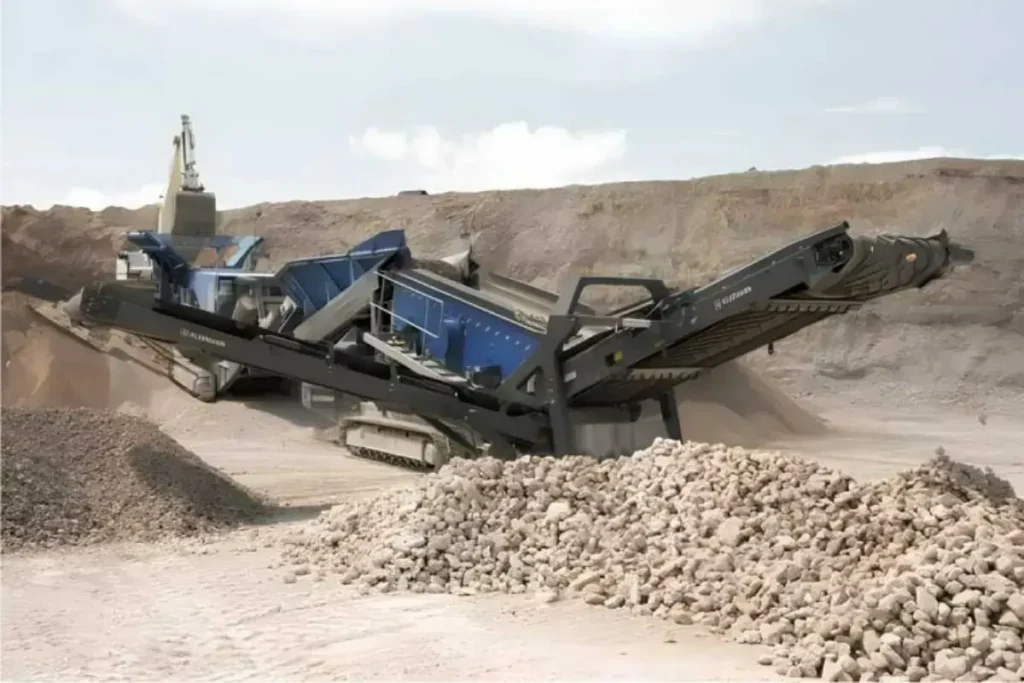
Good scalping screen design depends on the whole plant, not just the screen itself.
A screen needs stable feeding. If material enters too fast or unevenly, the screen cannot separate it well. For this reason, many plants use a scalping screen feeder before the screen.
Plant layout also matters. A scalping screen plant should allow smooth movement from feeder to screen, then to crusher, conveyor, or stockpile.
Operators should also think about service access. Workers need enough space to inspect screen media, bearings, belts, and drives.
A poor layout can cause blockages, extra wear, and long downtime. So, buyers should review the full process flow before they order equipment.
11. Buying Options: New, Used, Rental, and For Sale Listings
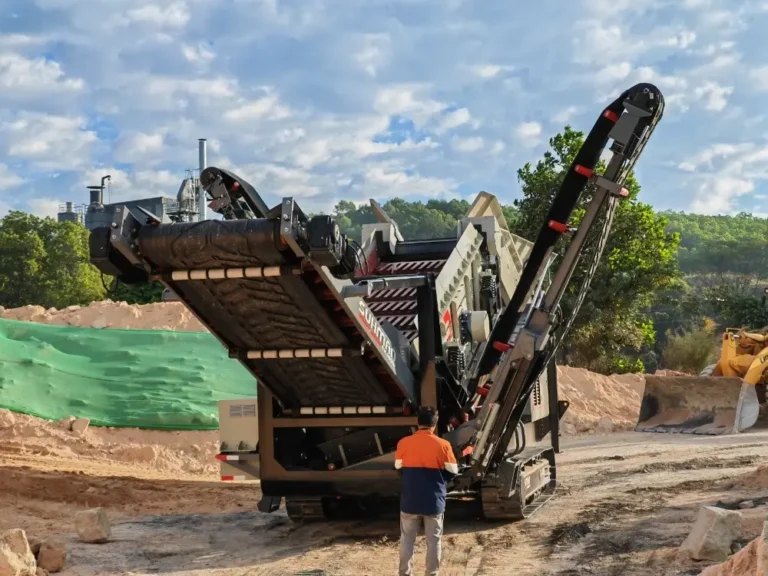
Many buyers search for scalping screen for sale or scalper screen for sale when they compare options.
A new machine gives better support, warranty, and model choice. It also lets you match the equipment to your exact material and capacity needs.
A scalping screen used option may cost less at first. However, buyers should inspect the screen deck, frame, bearings, engine, hydraulics, belts, and wear parts. A low price can become expensive if the machine needs major repairs.
A mobile scalping screen rental can work well for short contracts, test projects, or seasonal demand. Rental also helps buyers test whether mobile screening fits their site.
Price depends on many things. Capacity, brand, age, condition, power system, mobility, and support all affect the final cost.
12. Common Selection Mistakes — and What They Cost You
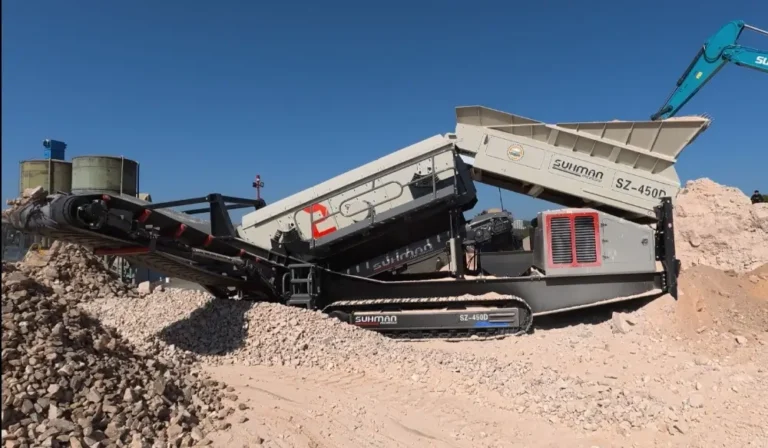
Even experienced buyers make selection errors. Understanding the most common mistakes can help you avoid a machine that looks right on paper but underperforms in the field.
Mistake 1: Trusting Rated Capacity Without Checking the Assumptions
Manufacturers publish capacity figures based on specific material conditions — typically dry, free-flowing material at a standard bulk density. If your material is wet, sticky, or highly variable in size, your real-world throughput may be 30 to 50 percent lower than the rated figure.
Result: The screen becomes a production bottleneck. Downstream equipment sits idle. You either accept reduced output or look for a replacement machine sooner than planned.
Fix: Ask the supplier to estimate capacity using your actual material description. Request the assumptions behind their figures in writing.
Mistake 2: Choosing a Mobile Unit for a Fixed High-Volume Operation
Mobile scalping screens are engineered for flexibility and transport. Their frames, drive systems, and wear components are sized for the demands of a mobile application — not continuous high-volume fixed plant production.
Result: Accelerated wear on tracks, conveyors, and screen components. Higher maintenance frequency. Shorter overall machine life. Total operating cost over three to five years often exceeds what a fixed plant screen would have cost.
Fix: If your site is permanent and production targets are high, invest in a fixed or semi-fixed scalping screen designed for continuous duty. Use mobile equipment when mobility is genuinely needed.
Mistake 3: Selecting an Aperture Size That Is Too Small
Buyers sometimes choose a smaller opening than necessary, hoping to recover more usable product from the scalping stage. In practice, a scalping screen is not designed for precise sizing. Smaller openings increase the risk of blinding and pegging, especially with wet or near-size material.
Result: Frequent shutdowns for media cleaning. Reduced throughput. Increased wear on screen media. In some cases, operators simply run the screen with blocked panels — which defeats the purpose entirely.
Fix: Design the aperture size around the scalping function, not the sizing function. If you need precise product separation, add a dedicated sizing screen downstream.
Mistake 4: Ignoring After-Sales Support and Parts Availability
A lower purchase price can be attractive, but it sometimes reflects limited local support, long parts lead times, or discontinued model lines.
Result: When a bearing fails or a screen panel tears, you wait days or weeks for parts. Downtime costs—lost production, labor, and equipment idle time—quickly exceed the initial savings.
Fix: Before purchasing, confirm that spare parts are held locally or can be delivered within an acceptable timeframe. Ask for a list of recommended wear parts and their current availability. Factor support into your total cost of ownership calculation, not just the purchase price.
13. Maintenance & Operating Tips
Good maintenance keeps a scalp screen productive.
Operators should inspect screen media often. Worn or blocked openings reduce separation quality. Loose bolts, damaged springs, and worn bearings can also cause larger problems.
For a mobile scalping screen, check tracks, conveyors, hydraulic lines, and engine service points. These parts work hard on rough job sites.
Also, keep the feed steady. Overloading the screen can reduce output and increase wear. On the other hand, underfeeding can waste capacity.
Replace screen media when it no longer holds the correct opening size. Also, replace it when cracks, tears, or heavy wear affect performance.
14. Brand Overview — What Each Manufacturer Does Best
Many buyers compare brand names when researching scalping equipment. While brand reputation matters, each manufacturer has a different focus. Understanding this can help you shortlist more efficiently.
Powerscreen
Powerscreen is one of the most recognized names in mobile screening. Their scalping range — including the Chieftain and Warrior series — focuses on track-mounted, flexible machines for contractors, recycling, and quarrying. If mobility and ease of setup are your priorities, Powerscreen is a strong candidate.
Metso Outotec
Metso serves large-scale mining and aggregate operations. Their scalping and screening equipment tends to be specified for high-tonnage fixed or semi-fixed plants. Metso also brings strong process engineering support, which suits buyers who need integration across a full crushing and screening circuit.
Sandvik
Sandvik’s screening equipment is closely integrated with their crushing lines. Buyers who already use Sandvik crushers often choose Sandvik screens to simplify parts supply, service contracts, and process optimization. Their equipment generally targets mid-to-large quarry and mining applications.
Kleemann (Wirtgen Group)
Kleemann focuses on mobile solutions with strong build quality and close integration between their mobile crushers and screens. They are a practical choice for contractors who want a matched mobile plant from one supplier.
Astec Industries
Astec covers a wide range of aggregate and mining equipment. Their scalping screens are often specified for fixed plant integration in North American markets. Astec also offers strong local service networks in regions where they have established dealer presence.
Deister Machine
Deister is known for heavy-duty inclined and horizontal screens used in fixed plant environments. They have a long track record in mining and aggregate processing, and their equipment is often chosen for high-volume, demanding applications where robust construction and long service life are critical.
Anaconda Equipment
Anaconda produces compact and mid-size mobile screening and scalping equipment. Their machines are a practical choice for smaller contractors and recycling operations that need flexibility without the cost of the largest mobile units.
Do not select a brand before you define your application. A Powerscreen mobile scalper is an excellent machine — but it serves a different purpose than a Deister heavy-duty fixed plant screen. Match the manufacturer’s core strengths to your actual site conditions, material type, and production target. Then compare service availability and spare parts lead time in your region before making a final decision.
FAQ — Questions Buyers Actually Ask
Can I buy the scalping screen and feeder together from one supplier? Does it affect performance?
Yes, and in most cases it is advisable. When the feeder and screen come from the same supplier, they are matched for feed rate, width, and mounting compatibility. This reduces the risk of mismatched capacity—a feeder that delivers material too fast for the screen to process or too slowly to maintain efficient throughput. Combined purchases also simplify warranty claims and service calls. If you source them separately, ask both suppliers to confirm compatibility before committing.
How should I handle wet or sticky material? Should I use heated screen media or change the aperture shape?
Wet and sticky material is one of the most common causes of poor scalping performance. There are several approaches, and the right one depends on the material type:
- Larger apertures: Slightly oversizing the screen opening reduces the chance of near-size particles blocking the holes.
- Polyurethane or rubber media: These materials flex under vibration, which helps dislodge particles stuck in the openings.
- Self-cleaning aperture profiles: Trapezoidal or piano-wire openings are designed to reduce pegging in difficult material.
- Heated screen media: Electrically heated wire mesh is used in very cold or highly sticky conditions — for example, wet clay-heavy feed in winter. It adds cost and complexity but can restore throughput when other methods fail.
- Water sprays: In some operations, light water spraying helps break up material clumps and improve material flow across the deck.
For highly sticky clay-bound material, it is also worth asking whether the scalping screen is the right primary tool, or whether a trommel screen or picking station might be more effective upstream.
When buying a used scalping screen, what should I inspect first? Are there any clear red flags?
Used equipment can offer good value, but poor condition can quickly eliminate any savings. Focus on these areas:
- Screen deck and frame welds: Look for cracks around mounting points, cross-members, and side plates. Frame cracks are expensive to repair and may indicate the machine was overloaded.
- Bearings: Spin the eccentric shafts by hand if possible. Any roughness, noise, or heat marks near the bearing housings suggest imminent failure.
- Spring mounts: Check for broken, cracked, or unevenly compressed springs. These directly affect stroke consistency and separation quality.
- Screen media condition: Worn or damaged media tells you both the remaining service life and how the previous operator managed the machine.
- Hydraulic system (for mobile units): Check hoses, rams, and fittings for leaks or chafing. Hydraulic repairs can be costly and time-consuming.
- Engine hours and service records (for mobile units): High hours are not always a problem if maintenance was regular. Missing service records are a red flag.
- Drive components: Inspect belts, pulleys, and motor mounts for wear and alignment.
If possible, run the machine under load before purchase. A visual inspection alone is not sufficient for high-value used equipment.
Conclusion
A scalping screen plays a simple but important role. It removes oversized or unwanted material early, protects downstream equipment, and helps the whole plant run better.
Different sites need different machines. A quarry may need a heavy-duty scalping screen. A contractor may need a mobile scalper screen. A plant that needs product separation may choose a sizing and scalping screen.
Before buying, check your material, feed size, capacity, site mobility, and downstream process. Then compare suppliers based on real working needs, not only price or brand name.