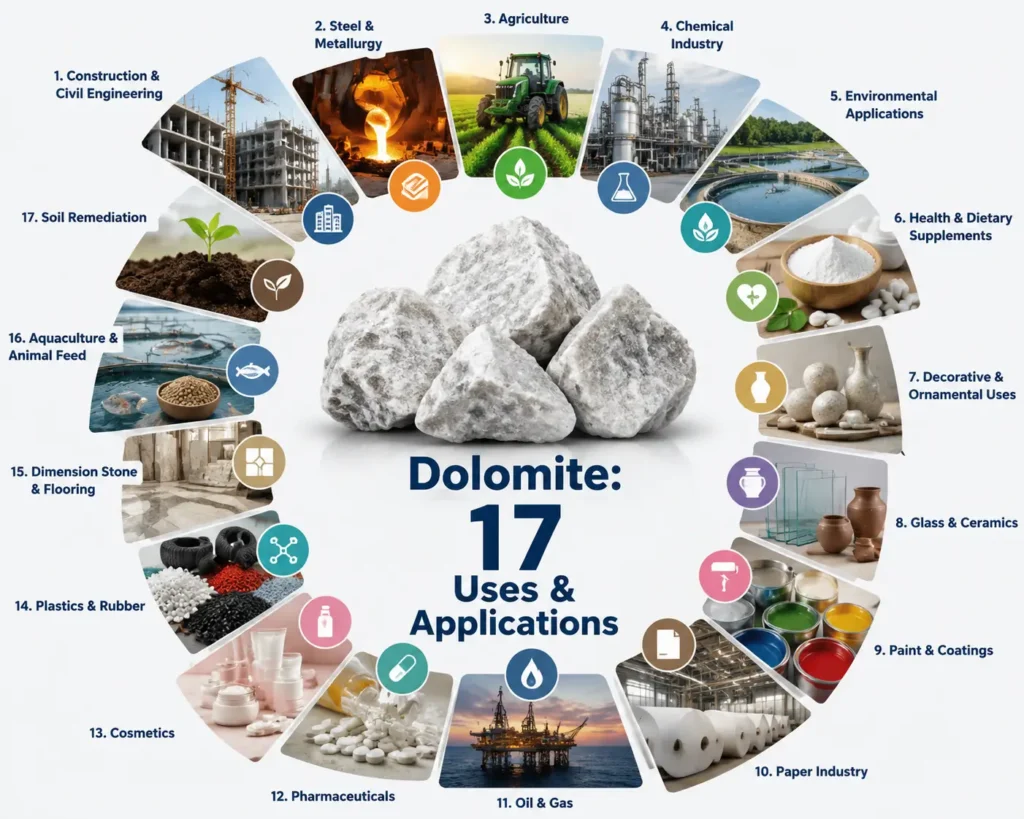
1. Construction & Civil Engineering
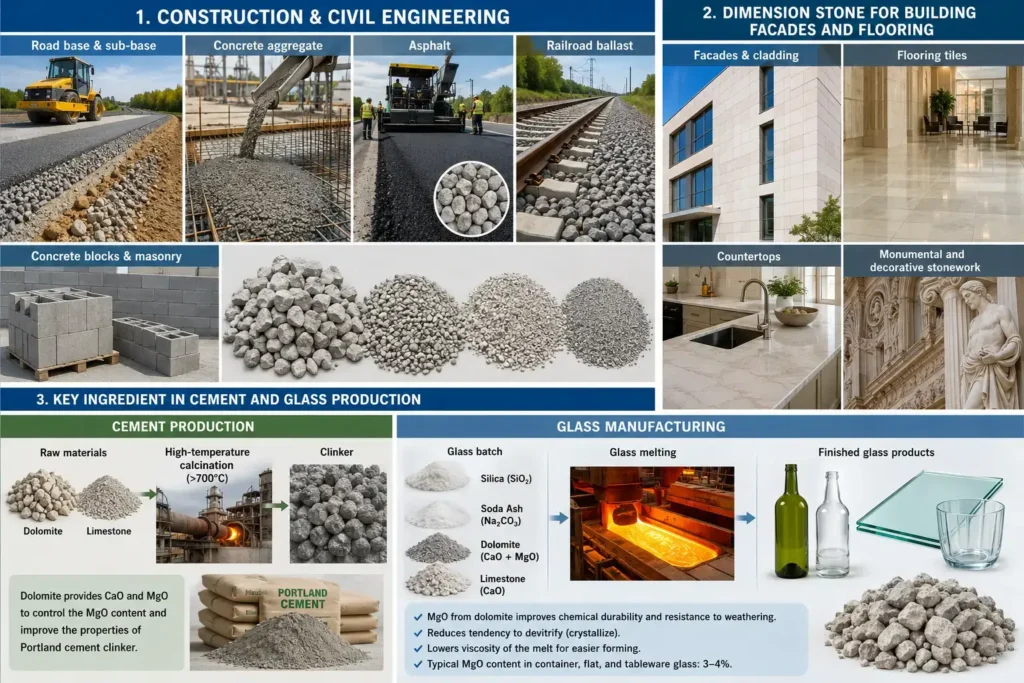
Crushed Aggregate for Road Base, Concrete, and Asphalt
Crushed dolomite is one of the most widely used aggregate materials in civil engineering. When quarried and processed into graded sizes, it provides a mechanically stable and chemically durable base material for a broad range of infrastructure projects.
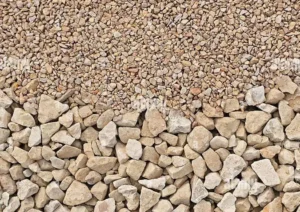
Road base & sub-base
Crushed dolomite is compacted in layers beneath road surfaces to distribute load and prevent deformation. Its angular fracture pattern creates strong interlocking between particles, improving load-bearing capacity and resistance to rutting.
Concrete aggregate
Dolomite gravel and crushed stone are mixed with cement and water to produce concrete. Its hardness contributes to compressive strength, while its relatively low reactivity with cement reduces the risk of alkali-silica reaction (ASR), a common cause of concrete cracking.
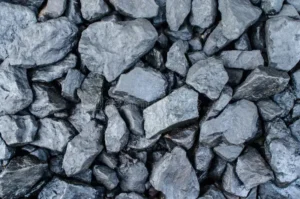
Asphalt
Dolomite chips are used as coarse aggregate in hot-mix asphalt (HMA). The angular shape improves skid resistance on road surfaces, and its durability under traffic loading extends pavement life.
Railroad ballast
Crushed dolomite is used as ballast beneath railroad ties (sleepers), providing drainage and distributing the dynamic loads of passing trains.
Concrete blocks & masonry
Dolomite aggregate is incorporated into precast concrete blocks and masonry units for walls, pavements, and structural elements.
Dimension Stone for Building Facades and Flooring
Dense, fine-grained dolostone can be quarried in large blocks, cut to precise dimensions, and finished for architectural use. It is valued for its durability and neutral aesthetic.
Facades & cladding
Slabs of polished or honed dolostone are fixed to building exteriors as a weather-resistant cladding. It is more resistant to acid rain than pure limestone, making it preferable in urban environments with higher atmospheric pollution.

Flooring tiles
Dolomite tiles are used in commercial and residential flooring. Their hardness (comparable to marble) makes them resistant to wear, while their appearance — often white, grey, or cream with subtle veining — is aesthetically desirable.
Countertops
Dolostone slabs are increasingly marketed for kitchen and bathroom countertops, positioned between marble (softer, more reactive) and granite (harder). It resists etching from mildly acidic substances better than calcite marble.
Monumental and decorative stonework
Dolomite has historically been used in sculptures, cornices, and ornamental architectural elements due to its workability and attractive grain.
Key Ingredient in Cement and Glass Production
Dolomite plays a critical role in both the cement and glass manufacturing industries, contributing specific chemical components that improve product performance.

Cement production
Dolomite is used as a supplementary raw material alongside limestone. The calcium and magnesium oxides released during high-temperature calcination (above 700°C) contribute to the clinker chemistry. Dolomitic limestone is blended with other raw materials to control the MgO content of Portland cement clinker. Some specialty cements (e.g., sorel cement) rely heavily on magnesium compounds derived from dolomite.
Glass manufacturing
Dolomite is a key source of both CaO and MgO added to the silica-soda-lime glass batch. The MgO from dolomite improves chemical durability, reduces the tendency to devitrify (crystallize), lowers the viscosity of the glass melt for easier forming, and improves resistance to weathering and moisture attack. Container glass, flat glass, and tableware all typically contain dolomite-derived MgO at levels of 3–4%.
2. Steel & Metallurgy
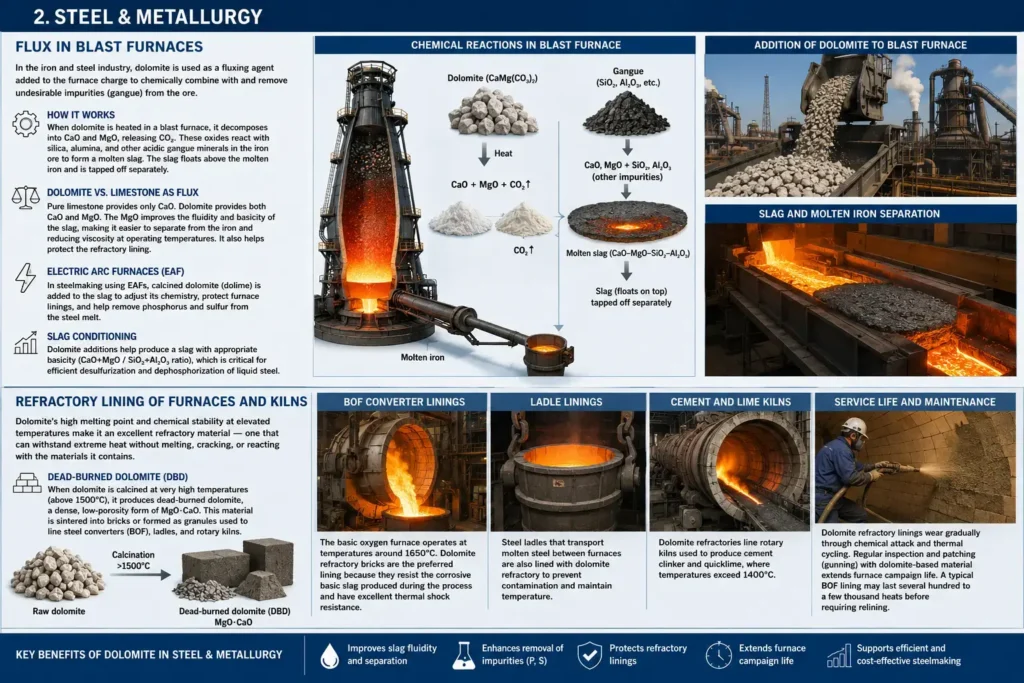
Flux in Blast Furnaces
In the iron and steel industry, dolomite is used as a fluxing agent added to the furnace charge to chemically combine with and remove undesirable impurities (gangue) from the ore.
How it works
When dolomite is heated in a blast furnace, it decomposes into CaO and MgO, releasing CO₂. These oxides react with silica, alumina, and other acidic gangue minerals in the iron ore to form a molten slag. The slag floats above the molten iron and is tapped off separately.
Dolomite vs. limestone as flux
Pure limestone provides only CaO. Dolomite provides both CaO and MgO. The MgO improves the fluidity and basicity of the slag, making it easier to separate from the iron and reducing viscosity at operating temperatures. It also helps protect the refractory lining.
Electric arc furnaces (EAF)

In steelmaking using EAFs, calcined dolomite (dolime) is added to the slag to adjust its chemistry, protect furnace linings, and help remove phosphorus and sulfur from the steel melt.
Slag conditioning
Dolomite additions help produce a slag with an appropriate basicity (CaO+MgO / SiO₂+Al₂O₃ ratio), which is critical for efficient desulfurization and dephosphorization of liquid steel.
Refractory Lining of Furnaces and Kilns
Dolomite’s high melting point and chemical stability at elevated temperatures make it an excellent refractory material — one that can withstand extreme heat without melting, cracking, or reacting with the materials it contains.
Dead-burned dolomite (DBD)
When dolomite is calcined at very high temperatures (above 1500°C), it produces dead-burned dolomite, a dense, low-porosity form of MgO·CaO. This material is sintered into bricks or formed as granules used to line steel converters (BOF), ladles, and rotary kilns.
BOF converter linings

The basic oxygen furnace operates at temperatures around 1650°C. Dolomite refractory bricks are the preferred lining because they resist the corrosive basic slag produced during the process and have excellent thermal shock resistance.
Ladle linings
Steel ladles that transport molten steel between furnaces are also lined with dolomite refractory to prevent contamination and maintain temperature.
Cement and lime kilns
Dolomite refractories line rotary kilns used to produce cement clinker and quicklime, where temperatures exceed 1400°C.
Service life and maintenance
Dolomite refractory linings wear gradually through chemical attack and thermal cycling. Regular inspection and patching (gunning) with dolomite-based material extends furnace campaign life. A typical BOF lining may last several hundred to a few thousand heats before requiring relining.
3. Agriculture

Soil Liming Agent
Agricultural lime made from ground dolomite is one of the most economical and widely used soil amendments in farming. Its primary function is to neutralize soil acidity, but it also delivers essential plant nutrients.
Soil pH and plant growth
Most crops perform best in a slightly acidic to neutral soil pH range (approximately 6.0–7.0). When pH falls below this range, aluminum and manganese become more soluble and can reach toxic concentrations, phosphorus becomes less available, and beneficial soil microorganism activity declines. Dolomitic lime raises pH by releasing carbonate ions (CO₃²⁻) that neutralize hydrogen ions (H⁺).
Neutralizing value (NV)
The effectiveness of a liming material is measured by its neutralizing value relative to pure calcium carbonate (NV = 100). Dolomite typically has an NV of 95–109%, making it one of the most efficient liming materials available.
Fineness and reactivity
Ground dolomite must be sufficiently fine to react quickly with soil acid. Finer particles (passing a 100-mesh screen) react faster, though some coarser material is desirable for a longer-lasting effect. Agricultural regulations often specify minimum fineness standards.
Application rates
Typical application rates range from 1 to 5 tonnes per hectare, depending on soil pH, buffering capacity, and crop requirements. Soil tests guide the appropriate rate.
Calcium and Magnesium Nutrition for Crops
Unlike calcitic limestone (which provides only calcium), dolomite supplies both calcium (Ca) and magnesium (Mg) — two macronutrients essential for plant health.
Calcium functions
Calcium is a structural component of plant cell walls (as calcium pectate) and is critical for cell division, root tip development, and fruit quality. Calcium deficiency causes blossom-end rot in tomatoes and peppers, tip burn in lettuce, and bitter pit in apples.
Magnesium functions
Magnesium is the central atom of the chlorophyll molecule, making it essential for photosynthesis. It also activates many enzymes involved in energy transfer, protein synthesis, and sugar metabolism. Magnesium deficiency causes interveinal chlorosis and reduced crop yields.
Calcium-to-magnesium ratio
Dolomite has a Ca:Mg molar ratio of approximately 1:1. This balanced ratio is generally beneficial, but in soils already high in magnesium, calcitic lime may be preferred to avoid upsetting cation balance.
Organic farming
Dolomitic lime is approved for use in certified organic agriculture as a non-synthetic soil amendment under most organic certification standards (USDA NOP, EU Organic Regulation, etc.).
Magnesium Deficiency Correction
Dolomite is the preferred liming material where soils are deficient in magnesium — a common problem in sandy, acidic, or intensively cropped soils.
High-risk crops
Crops with high magnesium demand include potatoes, sugar beets, cereals, and many vegetables. Dolomite applications proactively address both pH correction and Mg nutrition simultaneously.
Comparison with other Mg sources
Dolomite is slower-releasing than soluble magnesium fertilizers (e.g., Epsom salt), but it provides a sustained supply over several seasons and simultaneously corrects soil acidity — a dual benefit not available from soluble Mg fertilizers.
Foliar supplementation
Where rapid Mg correction is needed mid-season, foliar magnesium sulfate sprays may complement dolomite soil applications.
4. Chemical Industry
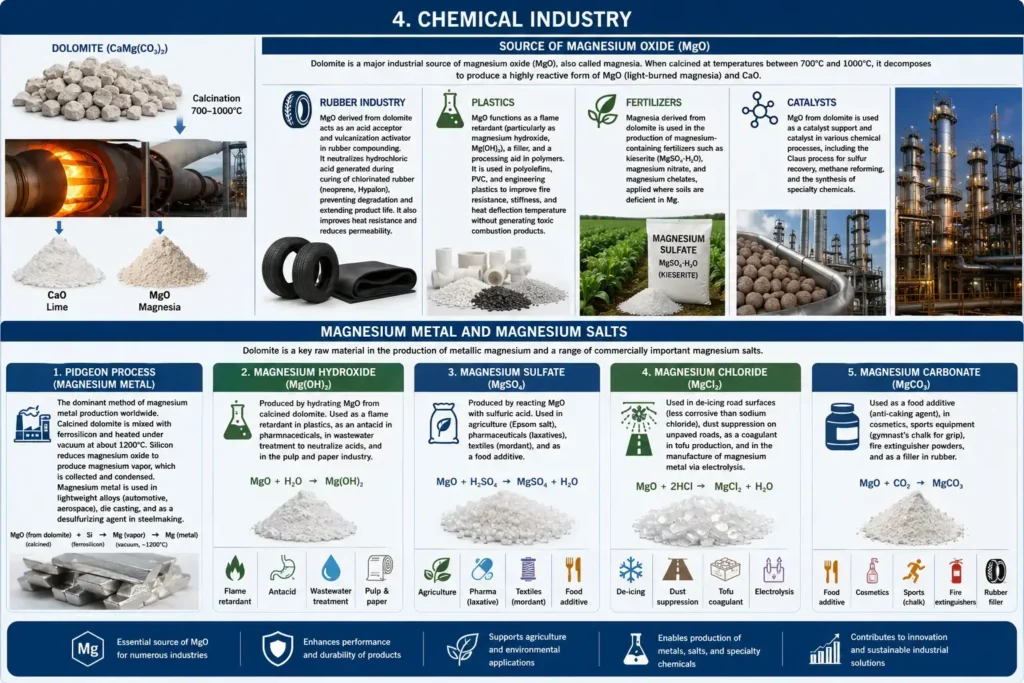
Source of Magnesium Oxide (MgO)
Dolomite is a major industrial source of magnesium oxide (MgO), also called magnesia. When calcined at temperatures between 700°C and 1000°C, it decomposes to produce a highly reactive form of MgO (light-burned magnesia) and CaO.
Rubber industry
MgO derived from dolomite acts as an acid acceptor and vulcanization activator in rubber compounding. It neutralizes hydrochloric acid generated during the curing of chlorinated rubber (neoprene, Hypalon), preventing degradation and extending product life. It also improves heat resistance and reduces permeability.
Plastics
MgO functions as a flame retardant (particularly as magnesium hydroxide, Mg(OH)₂), a filler, and a processing aid in polymers. It is used in polyolefins, PVC, and engineering plastics to improve fire resistance, stiffness, and heat deflection temperature without generating toxic combustion products.
Fertilizers
Magnesia derived from dolomite is used in the production of magnesium-containing fertilizers such as kieserite (MgSO₄·H₂O), magnesium nitrate, and magnesium chelates, applied where soils are deficient in Mg.
Catalysts
MgO from dolomite is used as a catalyst support and catalyst in various chemical processes, including the Claus process for sulfur recovery, methane reforming, and the synthesis of specialty chemicals.
Magnesium Metal and Magnesium Salts
Dolomite is a key raw material in the production of metallic magnesium and a range of commercially important magnesium salts.
Pidgeon process (magnesium metal)
The dominant method of magnesium metal production worldwide. Calcined dolomite is mixed with ferrosilicon and heated under vacuum at about 1200°C. Silicon reduces magnesium oxide to produce magnesium vapor, which is collected and condensed. Magnesium metal is used in lightweight alloys (automotive, aerospace), die casting, and as a desulfurizing agent in steelmaking.
Magnesium hydroxide (Mg(OH)₂)
Produced by hydrating MgO from calcined dolomite. Used as a flame retardant in plastics, as an antacid in pharmaceuticals, in wastewater treatment to neutralize acids, and in the pulp and paper industry.
Magnesium sulfate (MgSO₄)
Produced by reacting MgO with sulfuric acid. Used in agriculture (Epsom salt), pharmaceuticals (laxatives), textiles (mordant), and as a food additive.
Magnesium chloride (MgCl₂)
Used in de-icing road surfaces (less corrosive than sodium chloride), dust suppression on unpaved roads, as a coagulant in tofu production, and in the manufacture of magnesium metal via electrolysis.
Magnesium carbonate (MgCO₃)
Used as a food additive (anti-caking agent), in cosmetics, sports equipment (gymnast’s chalk for grip), fire extinguisher powders, and as a filler in rubber.
5. Environmental Applications
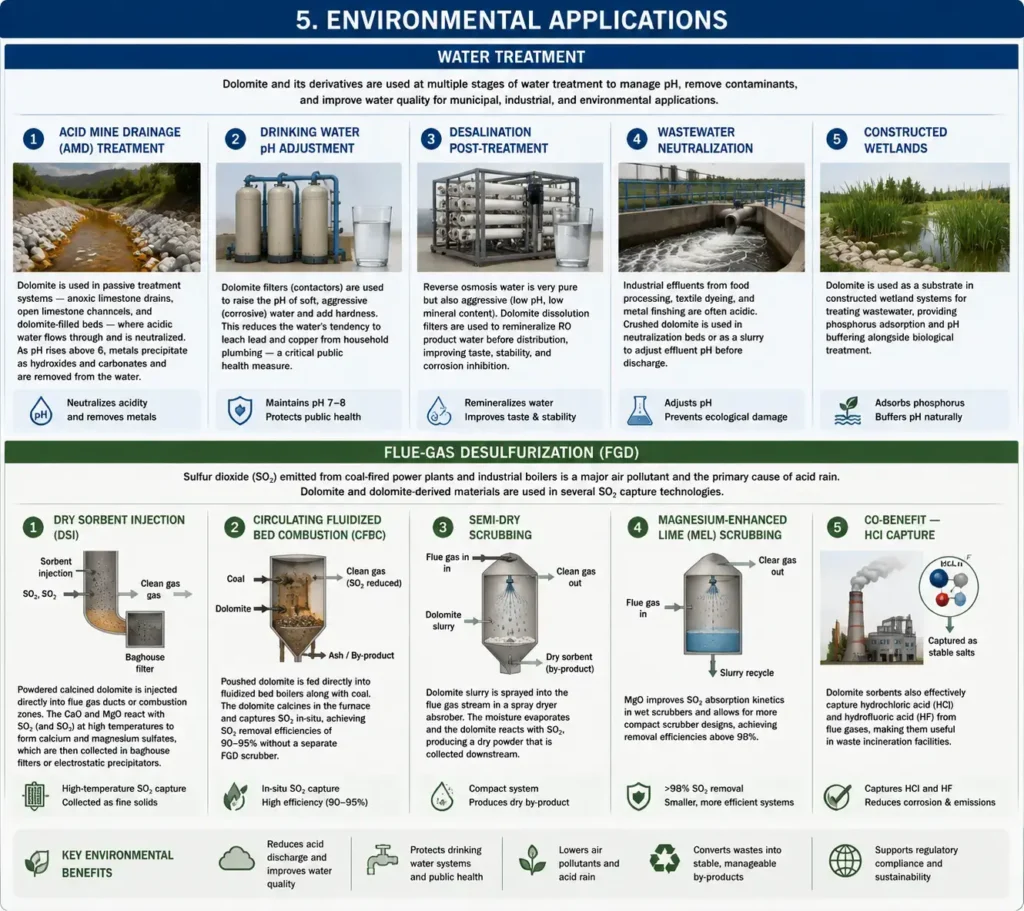
Water Treatment
Dolomite and its derivatives are used at multiple stages of water treatment to manage pH, remove contaminants, and improve water quality for municipal, industrial, and environmental applications.
Acid mine drainage (AMD) treatment
Mining operations generate highly acidic drainage water laden with dissolved metals. Dolomite is used in passive treatment systems — anoxic limestone drains, open limestone channels, and dolomite-filled beds — where acidic water flows through and is neutralized. As pH rises above 6, metals precipitate as hydroxides and carbonates and are removed from the water.
Drinking water pH adjustment
Dolomite filters (contactors) are used in water treatment plants to raise the pH of soft, aggressive (corrosive) water and add hardness. This reduces the water’s tendency to leach lead and copper from household plumbing — a critical public health measure. The EU Drinking Water Directive and US EPA guidance recommend maintaining pH 7–8.
Desalination post-treatment
Reverse osmosis water is very pure but also aggressive (low pH, low mineral content). Dolomite dissolution filters are routinely used to remineralize RO product water before distribution, improving taste, stability, and corrosion inhibition.
Wastewater neutralization
Industrial effluents from food processing, textile dyeing, and metal finishing are often acidic. Crushed dolomite is used in neutralization beds or added as a slurry to adjust effluent pH before discharge, preventing ecological damage to receiving water bodies.
Constructed wetlands
Dolomite is used as a substrate in constructed wetland systems for treating wastewater, providing phosphorus adsorption and pH buffering alongside biological treatment.
Flue-Gas Desulfurization (FGD)
Sulfur dioxide (SO₂) emitted from coal-fired power plants and industrial boilers is a major air pollutant and the primary cause of acid rain. Dolomite and dolomite-derived materials are used in several SO₂ capture technologies.
Dry sorbent injection (DSI)
Powdered calcined dolomite is injected directly into flue gas ducts or combustion zones. The CaO and MgO react with SO₂ (and SO₃) at high temperatures to form calcium and magnesium sulfates, which are then collected in baghouse filters or electrostatic precipitators.
Circulating fluidized bed combustion (CFBC)
Crushed dolomite is fed directly into fluidized bed boilers along with coal. The dolomite calcines in the furnace and captures SO₂ in-situ, achieving SO₂ removal efficiencies of 90–95% without a separate FGD scrubber.
Semi-dry scrubbing
Dolomite slurry is sprayed into the flue gas stream in a spray dryer absorber. The moisture evaporates and the dolomite reacts with SO₂, producing a dry powder that is collected downstream.
Magnesium-enhanced lime (MEL) scrubbing
MgO improves SO₂ absorption kinetics in wet scrubbers and allows for more compact scrubber designs, achieving removal efficiencies above 98%.
Co-benefit — HCl capture
Dolomite sorbents also effectively capture hydrochloric acid (HCl) and hydrofluoric acid (HF) from flue gases, making them useful in waste incineration facilities.
6. Health & Dietary Supplements
Calcium-Magnesium Dietary Supplement
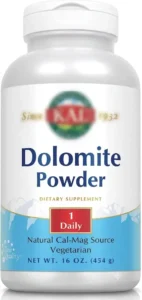
Dolomite has been sold as a dietary supplement since the 1970s, marketed as a natural, balanced source of calcium and magnesium for bone health, muscle function, and general wellness.
Nutritional rationale
Calcium supports bone density, nerve transmission, and muscle contraction. Magnesium is involved in over 300 enzymatic reactions, supports calcium metabolism, regulates blood pressure, and is needed for DNA and protein synthesis.
Forms available
Dolomite supplements are sold as tablets, capsules, and powder. Each gram of pure dolomite provides approximately 130 mg calcium and 79 mg magnesium (theoretical maximum; actual bioavailability is lower).
Bioavailability
Carbonate forms of calcium and magnesium have moderate bioavailability, best absorbed when taken with food. Compared to more soluble forms like calcium citrate or magnesium glycinate, dolomite-derived minerals may be less well-absorbed, especially in individuals with reduced stomach acid.
Regulatory status
In the US, dolomite supplements are regulated as dietary supplements under DSHEA (1994). They do not require FDA pre-market approval but must meet labeling and safety standards.
Heavy Metal Contamination Risk
A significant safety concern with natural dolomite supplements is the potential presence of heavy metal contaminants, including lead (Pb), arsenic (As), cadmium (Cd), and mercury (Hg).
Source of contamination
Natural dolomite rock deposits may contain trace amounts of heavy metals incorporated during geological formation. Since dolomite supplements are derived from natural rock, these contaminants can be present in the final product.
Historical findings
Studies in the 1980s and subsequent analyses have found elevated lead levels in some dolomite supplement products — in some cases exceeding safety thresholds. Lead contamination is of particular concern for pregnant women, infants, and children.
Consumer guidance
Consumers using dolomite supplements should choose products from reputable manufacturers that conduct third-party testing for heavy metals (look for USP, NSF International, or ConsumerLab certifications). Synthetic calcium-magnesium sources are generally preferred for high-risk populations.
Regulatory response
The FDA has not banned dolomite supplements but has issued guidance warning about lead content in calcium supplements derived from natural sources. Some countries apply stricter limits than the US.
7. Decorative & Ornamental Uses
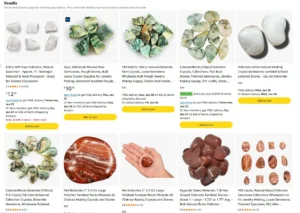
Dolomite crystals are prized by mineral collectors and used decoratively for their attractive crystal habits, range of colors, and association with other mineral species.
Crystal habits
Dolomite crystals typically form rhombohedra with curved, saddle-shaped faces — a distinctive habit sometimes called ‘baroque’ or ‘dogtooth’ dolomite. They can also form tabular or prismatic crystals.
Colors
Most commonly white or colorless, dolomite also occurs in pink, peach, yellow, grey, and brown varieties. The pink color is often due to trace manganese (Mn²⁺) substituting for magnesium.
Notable specimens
Pink dolomite from Morocco, colorless curved rhombohedra from the Swiss Alps, and yellow dolomite from Huanzala, Peru, are among the most sought-after collector specimens.
Associated minerals
Dolomite commonly occurs alongside calcite, quartz, fluorite, pyrite, chalcopyrite, sphalerite, and galena. Specimens showing dolomite crystals draped over colorful sulfide minerals are particularly valued.
Home decor
Polished dolomite spheres, tumbled stones, and raw crystal clusters are widely sold in crystal and mineral shops for decorative and wellness purposes.
Metaphysical uses
In the crystal healing community, dolomite is associated with balance, calm, and grounding. While these claims have no scientific basis, they contribute to the mineral’s popularity in the wellness market.
8. Glass & Ceramics

Glass Manufacturing
Dolomite is a standard batch material in the manufacture of soda-lime-silica glass, the most common glass type. It is added to introduce both CaO and MgO into the glass composition.
Role of MgO
The magnesium oxide contributed by dolomite reduces the tendency of glass to devitrify during forming, lowers the liquidus temperature of the melt, broadens the working range, and improves chemical durability (resistance to water, acids, and weathering).
Typical glass composition
A standard flat glass composition contains approximately 72–74% SiO₂, 12–14% Na₂O, 8–12% CaO, and 3–5% MgO. All of the MgO and part of the CaO are typically supplied by dolomite.
Float glass production
In the float glass process (used for window glass), a continuous ribbon of glass is formed on a molten tin bath. Precise control of MgO content from dolomite is critical for achieving the required viscosity profile and surface quality.
Container glass
Bottles and jars also use dolomite in the batch to improve chemical resistance, which is important for food and beverage contact applications.
Specialty glasses
Some borosilicate glasses, optical glasses, and glass-ceramics also incorporate dolomite-derived MgO to achieve specific thermal expansion, refractive index, or crystallization properties.
Ceramic Glazes and Porcelain
In the ceramics industry, dolomite is used both as a glaze material and as a raw material in clay bodies and porcelain formulations.
Glaze fluxes
In high-fire glazes (cone 8–12, approximately 1250–1350°C), dolomite acts as a flux — it lowers the melting point of the glaze and promotes glass formation. Dolomite glazes are known for producing matte to satin surfaces with a distinctive silky texture, popular in studio pottery and artisan ceramics.
Porcelain bodies
Dolomite is sometimes added to porcelain and stoneware clay bodies as a source of fluxing calcium and magnesium, promoting vitrification at lower temperatures and improving translucency in thin-walled porcelain.
Thermal expansion control
MgO from dolomite helps reduce thermal expansion coefficients in some ceramic formulations, improving thermal shock resistance — important for cookware, kiln furniture, and technical ceramics.
Fiberglass Production
Dolomite is used in the manufacture of E-glass fiberglass, the most common glass fiber used for reinforcing plastics in composites.
E-glass composition
E-glass contains approximately 52–56% SiO₂, 12–16% Al₂O₃, 16–25% CaO, and 0–5% MgO. Dolomite contributes MgO and part of the CaO to the batch.
Fiber drawing
The glass is melted and drawn through platinum-rhodium bushings into continuous filaments of 5–25 μm diameter. The MgO content helps control the glass viscosity during fiber drawing, ensuring smooth, defect-free filaments.
Applications
E-glass fibers are used in wind turbine blades, boat hulls, automotive body panels, printed circuit boards, and insulation. The growing renewable energy sector has significantly increased demand for fiberglass and thus for dolomite.
9. Paint & Coatings

Finely ground dolomite (typically below 10 μm) is used as an extender pigment and functional filler in paints, coatings, and sealants. It partially replaces more expensive pigments like titanium dioxide (TiO₂) while contributing useful physical properties.
Opacity and hiding power
While dolomite’s refractive index (1.50–1.68) is too low to provide strong hiding power alone, it works synergistically with TiO₂ by spacing TiO₂ particles optimally to maximize light scattering. This ‘spacer effect’ allows formulators to achieve equivalent opacity with less TiO₂, significantly reducing cost.
Texture and sheen
Coarser dolomite grades (10–45 μm) impart a matte or eggshell texture to architectural paints. Finer grades produce smoother films. The angular particle shape and hardness contribute to a subtle texture valued in decorative coatings.
Durability
Dolomite’s hardness (Mohs 3.5–4) improves the abrasion resistance and scrub resistance of paint films — important for interior wall paints in high-traffic areas and exterior coatings exposed to weathering.
Rheology
Dolomite affects the flow and leveling behavior of paints. At appropriate loading levels and particle size distributions, it helps achieve good brushability, roller application, and sag resistance.
Exterior coatings
In exterior architectural paints and roof coatings, dolomite contributes to weather resistance. Its slightly alkaline nature helps the coating resist biological growth (mold, algae) and improves adhesion to masonry substrates.
Industrial coatings
In anticorrosion primers, floor coatings, and industrial maintenance paints, dolomite is used for its chemical resistance, low oil absorption, and cost-effectiveness as a filler.
Road markings
Dolomite aggregates and powder are used in road marking paints and thermoplastic road markings to improve retroreflectivity, skid resistance, and durability.
10. Paper Industry
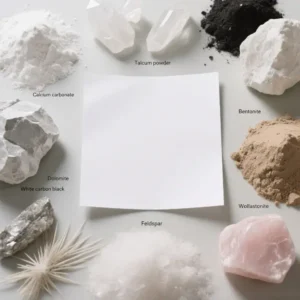
Dolomite is used in the paper industry both as a filler added to the paper pulp and as a coating pigment applied to the paper surface. Finely ground dolomite competes with ground calcium carbonate (GCC from limestone) and precipitated calcium carbonate (PCC) in paper applications.
Paper filler
Dolomite powder (3–10 μm particle size) is added to the paper furnish (pulp slurry) before sheet formation. It fills the spaces between cellulose fibers, increasing the paper’s bulk, opacity, smoothness, and brightness. Typical filler loadings are 10–30% by weight of the finished paper.
Brightness
Dolomite has a higher natural brightness than many other minerals (approximately 85–92% ISO brightness), making it useful in printing and writing papers where white appearance is important. This reduces the amount of optical brightening agents (OBAs) needed.
Printability
Smooth, mineral-filled paper surfaces absorb ink more uniformly and precisely, improving print sharpness and color fidelity for offset, inkjet, and laser printing applications.
Paper coating
In coated papers (e.g., magazine paper, art paper, coated board), a slurry of finely ground dolomite (typically less than 2 μm) is applied to the paper surface and calendered. Coating improves gloss, smoothness, and ink holdout compared to uncoated paper.
Alkaline papermaking
Dolomite, like limestone-derived GCC, is compatible with alkaline papermaking (the modern standard). Alkaline papers have much greater longevity than acid papers — essential for archival documents and books.
Cost advantages
Dolomite is often cheaper than PCC and competitive with GCC from limestone, making it an economical choice for paper mills located near dolomite quarries.
11. Oil & Gas
Petroleum Reservoir Rock
Dolostone is one of the most important petroleum reservoir rocks in the world, hosting a significant fraction of global oil and gas reserves.
Dolomitization and porosity
The process of dolomitization — the replacement of calcite (CaCO₃) in limestone by dolomite (CaMg(CO₃)₂) — typically creates secondary porosity. Because the dolomite crystal lattice is slightly smaller than calcite, dolomitization can increase rock porosity by 12–13%, creating intercrystalline pore space that can store significant volumes of hydrocarbons.
Reservoir quality
Dolostone reservoirs often have excellent reservoir properties — high porosity (10–30%), good permeability when fractures are present, and strong mechanical integrity. Fracture-enhanced dolostone reservoirs can be highly productive.
Major dolomite reservoirs
Key oil and gas fields hosted in dolostone include fields in the Permian Basin (Texas/New Mexico), Persian Gulf carbonate platforms, the Williston Basin (North Dakota), and many fields in the Middle East and North Africa. The Khuff Formation and Nisku Formation are classic examples.
Diagenetic controls
Understanding when and how dolomitization occurred during the burial history of a carbonate sequence is critical for predicting reservoir quality. Early dolomitization tends to preserve porosity, while late burial dolomitization can occlude pore space with dolomite cement.
Geophysical signatures
Dolostone has different seismic velocities and densities from limestone, which can sometimes allow seismic surveys to distinguish between the two — important for reservoir mapping and exploration targeting.
Drilling Muds
Dolomite is used in drilling fluid (mud) formulations during oil and gas well drilling operations.
Weighting agent
Finely ground dolomite (specific gravity ~2.85) can be used as a weighting material in water-based drilling fluids to increase mud density, maintaining wellbore pressure control and preventing formation fluid influx. While barite is the most common weighting agent, dolomite is used where lower mud weights are acceptable.
Lost circulation material (LCM)
Coarser dolomite granules are sometimes used as lost circulation material — added to the drilling fluid to seal fractures and permeable zones where the drilling mud is being lost into the formation.
Environmental advantage
Dolomite-weighted muds may be preferred over barite in environmentally sensitive areas because dolomite is more soluble and considered less environmentally persistent.
12. Pharmaceuticals

Tablet Excipient
In pharmaceutical manufacturing, dolomite can serve as an excipient — an inactive ingredient that helps deliver the active drug in tablet or capsule form.
Diluent/filler
Dolomite powder may be used as a diluent to increase the bulk of a tablet to a size that can be conveniently handled and swallowed when the active ingredient dose is very small.
Binder
When granulated with a liquid binder, dolomite particles help hold the tablet together after compression, providing mechanical strength and reducing friability (crumbling).
Disintegrant aid
The mild effervescence of dolomite in stomach acid (CO₂ release from carbonate) can assist tablet disintegration, thereby releasing the active ingredient.
Regulatory requirements
For pharmaceutical use, dolomite must meet pharmacopeial standards for purity, particle size, heavy metal content, and microbial contamination. USP (United States Pharmacopeia) and EP (European Pharmacopoeia) monographs specify these requirements. Pharmaceutical-grade dolomite is significantly purer and more tightly controlled than industrial grades.
Antacid
Dolomite’s carbonate chemistry makes it an effective antacid, capable of neutralizing excess stomach acid (hydrochloric acid, HCl) to relieve heartburn, indigestion, and acid reflux.
Mechanism
CaMg(CO₃)₂ + 4HCl → CaCl₂ + MgCl₂ + 2H₂O + 2CO₂. The carbonate reacts with hydrochloric acid to produce neutral chloride salts, water, and carbon dioxide gas (which may cause belching).
Comparison with other antacids
Dolomite antacids provide both calcium and magnesium, which can help balance the constipating effect of calcium-only antacids (like calcium carbonate) and the laxative effect of magnesium-only antacids (like magnesium hydroxide). This balanced effect makes dolomite a theoretically attractive antacid.
Heavy metal concern
The same contamination risks that apply to dolomite dietary supplements apply to antacid formulations. Pharmaceutical manufacturers must rigorously test raw material purity and meet strict pharmacopeial specifications.
Market position
Dolomite-based antacids are less common than calcium carbonate or aluminum/magnesium hydroxide combinations in modern markets, partly due to the heavy metal concern and partly because synthetic mineral sources are more controllable and reproducible.
13. Cosmetics

Finely milled dolomite is used in a range of personal care and cosmetic products, valued for its mild abrasive properties, whiteness, and skin feel.
Toothpaste abrasive
Dolomite is used as a polishing agent in some toothpaste formulations. Its hardness (Mohs 3.5–4) is effective at removing surface stains and plaque without abrading tooth enamel (Mohs ~5) when the particle size and morphology are controlled appropriately.
Face powders and foundations
Ultra-fine dolomite powder provides a soft, silky texture in pressed and loose face powders and foundations. It improves spreadability, reduces cakiness, and imparts a matte finish by absorbing surface oils.
Body scrubs and exfoliants
Coarser dolomite particles are used in body scrubs, facial exfoliants, and foot scrubs. The angular to sub-rounded particle shape provides effective mechanical exfoliation of dead skin cells without the environmental concern associated with plastic microbeads.
Talc alternative
As concerns about talc safety have grown (particularly regarding asbestos contamination in some talc deposits), dolomite has been explored as a partial replacement in baby powders, body powders, and cosmetic formulations.
Deodorants
Dolomite has mild odor-absorbing properties and can be incorporated into natural deodorant formulations as a filler and mild absorbent.
Sun care
Dolomite is used as an inert filler in some sunscreen formulations, improving texture and reducing the greasy feel of UV-filter-heavy formulations.
Regulatory status
Dolomite used in cosmetics must comply with regulations such as the EU Cosmetics Regulation (No. 1223/2009) and FDA requirements, including limits on heavy metal impurities.
14. Plastics & Rubber
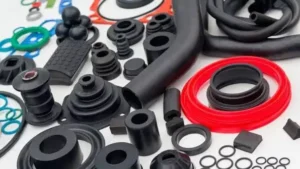
Finely ground dolomite is an important mineral filler in the plastics and rubber industries, used to reduce material costs, modify mechanical properties, and in some applications provide functional benefits.
Cost reduction
Dolomite filler (typically 1–10 μm particle size, coated with stearic acid or silane coupling agents) partially replaces more expensive polymer in compound formulations. At filler loadings of 20–50% by weight, significant material cost savings are achieved.
Stiffness improvement
Adding mineral filler increases the modulus (stiffness) of thermoplastic and thermoset polymers. This is beneficial in applications where dimensional stability and rigidity are important, such as automotive interior parts, appliance housings, and pipe fittings.
Density adjustment
Dolomite filler (density ~2.85 g/cm³) increases the density of plastic parts, which is sometimes desirable for products where a ‘substantial’ feel is valued (e.g., some consumer goods, automotive knobs and handles).
Surface finish
Well-dispersed fine dolomite can improve the surface finish of injection-molded parts by reducing sink marks and warpage. It also acts as a nucleating agent for semi-crystalline polymers (like polypropylene), accelerating crystallization and improving part cycle times in injection molding.
Thermal stability
In PVC, dolomite acts as an acid acceptor, neutralizing hydrochloric acid generated during thermal processing or UV exposure, improving the long-term thermal and light stability of the compound.
Rubber applications
In natural and synthetic rubber compounds, surface-treated dolomite is used as a semi-reinforcing filler. It improves tear strength, hardness, and compression set, while providing cost advantages over more expensive fillers like precipitated silica or carbon black (for non-black applications).
Surface treatment
Uncoated dolomite has poor compatibility with non-polar polymers. Surface coating with stearic acid, fatty acid salts, or organosilane coupling agents improves wetting, dispersion, and interfacial adhesion, resulting in better mechanical properties and easier processing.
15. Dimension Stone & Flooring
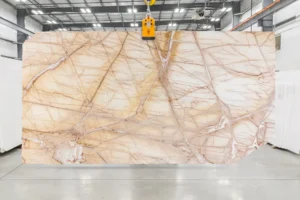
Dense, low-porosity dolostone that accepts a high polish is quarried and processed as dimension stone for architectural and interior design applications. It is often marketed under trade names that may include ‘marble’ or ‘stone.’
Quarrying and processing
Dolostone for dimension stone use is quarried in large blocks (typically 2–6 m per side), then gang-sawn into slabs of various thicknesses (typically 2 cm for flooring tiles, 3–5 cm for countertops). Slabs are then surface-finished by grinding with progressively finer abrasives to achieve honed (matte) or polished (glossy) surfaces.
Countertops
Dolomite countertops are positioned between marble (beautiful but reactive with acids) and quartzite (very hard, resistant). Dolomite is harder than marble (Mohs ~3.5–4 vs ~3 for calcite marble) and more resistant to acid etching from lemon juice, vinegar, and wine — though regular sealing is recommended.
Flooring tiles
Dolomite tiles are used in commercial and residential floors, bathrooms, and outdoor paving. Their natural variation in color and veining (often grey, white, or cream) is aesthetically versatile. Polished finishes are used indoors; flamed or brushed finishes provide better slip resistance for exterior and wet area applications.
Wall cladding
Interior and exterior wall cladding using dolomite panels is common in hotels, retail spaces, corporate lobbies, and high-end residential construction. Panels are typically 2–3 cm thick and fixed with mechanical anchors or adhesive systems.
Monuments and memorials
Dense dolostone has been used for grave markers, monuments, and memorial structures. Its durability under weathering (superior to calcite marble in acid-rain environments) makes it a good choice for outdoor applications.
‘Dolomite marble’ in trade
Many natural stones commercially sold as ‘dolomite’ or ‘dolomitic marble’ are actually transitional rocks between limestone, dolostone, and true metamorphic marble. Buyers should request mineralogical analysis if precise composition is important for their application.
16. Aquaculture & Animal Feed
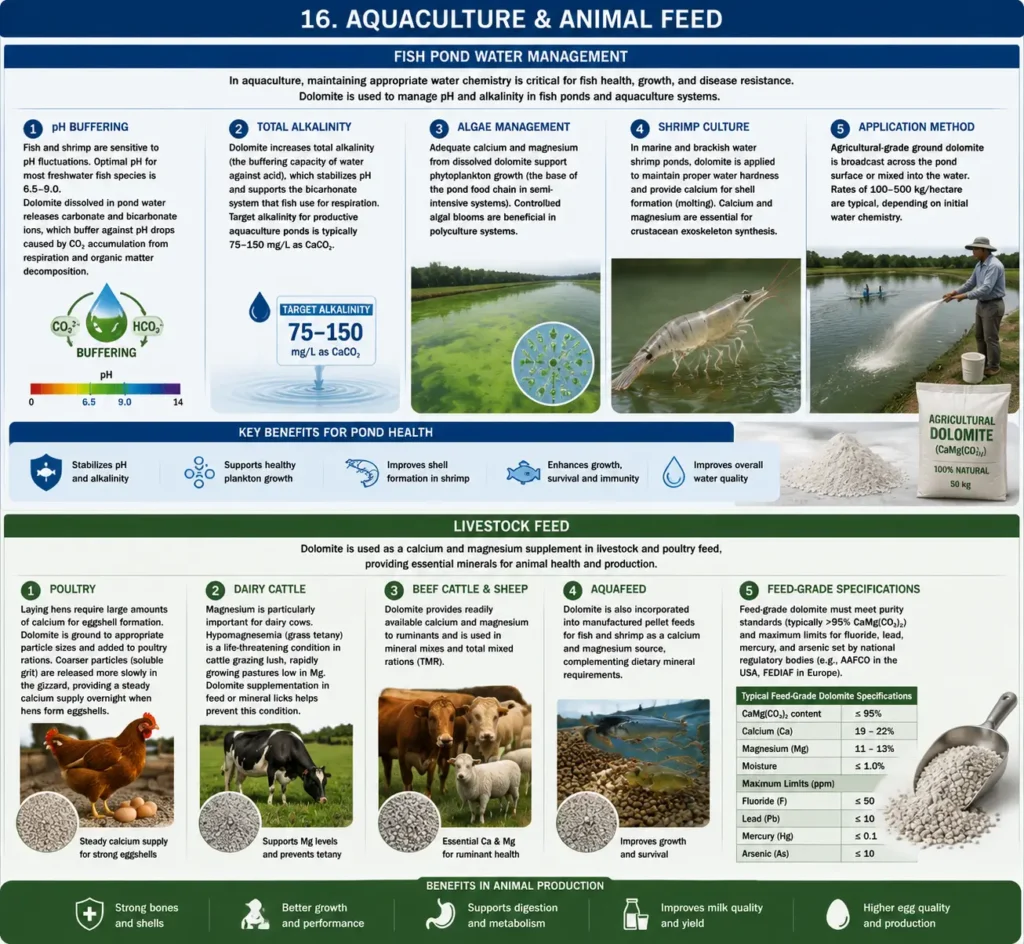
Fish Pond Water Management
In aquaculture, maintaining appropriate water chemistry is critical for fish health, growth, and disease resistance. Dolomite is used to manage pH and alkalinity in fish ponds and aquaculture systems.
pH buffering
Fish and shrimp are sensitive to pH fluctuations. Optimal pH for most freshwater fish species is 6.5–9.0. Dolomite dissolved in pond water releases carbonate and bicarbonate ions, which buffer against pH drops caused by CO₂ accumulation from respiration and organic matter decomposition.
Total alkalinity
Dolomite increases total alkalinity (the buffering capacity of water against acid), which stabilizes pH and supports the bicarbonate system that fish use for respiration. Target alkalinity for productive aquaculture ponds is typically 75–150 mg/L as CaCO₃.
Algae management
Adequate calcium and magnesium from dissolved dolomite support phytoplankton growth (the base of the pond food chain in semi-intensive systems). Controlled algal blooms are beneficial in polyculture systems.
Shrimp culture
In marine and brackish water shrimp ponds, dolomite is applied to maintain proper water hardness and provide calcium for shell formation (molting). Calcium and magnesium are essential for crustacean exoskeleton synthesis.
Application method
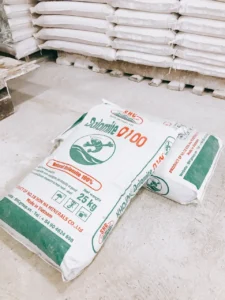
Agricultural-grade ground dolomite is broadcast across the pond surface or mixed into the water. Rates of 100–500 kg/hectare are typical, depending on initial water chemistry.
Livestock Feed
Dolomite is used as a calcium and magnesium supplement in livestock and poultry feed, providing essential minerals for animal health and production.
Poultry
Laying hens require large amounts of calcium for eggshell formation. Dolomite is ground to appropriate particle sizes and added to poultry rations. Coarser particles (soluble grit) are released more slowly in the gizzard, providing a steady calcium supply overnight when hens form eggshells.
Dairy cattle
Magnesium is particularly important for dairy cows. Hypomagnesemia (grass tetany) is a life-threatening condition in cattle grazing lush, rapidly growing pastures low in Mg. Dolomite supplementation in feed or mineral licks helps prevent this condition.
Beef cattle and sheep
Dolomite provides readily available calcium and magnesium to ruminants and is used in mineral mixes and total mixed rations (TMR).
Aquafeed
Dolomite is also incorporated into manufactured pellet feeds for fish and shrimp as a calcium and magnesium source, complementing dietary mineral requirements.
Feed-grade specifications
Feed-grade dolomite must meet purity standards (typically >95% CaMg(CO₃)₂) and maximum limits for fluoride, lead, mercury, and arsenic set by national regulatory bodies (e.g., AAFCO in the USA, FEDIAF in Europe).
17. Soil Remediation
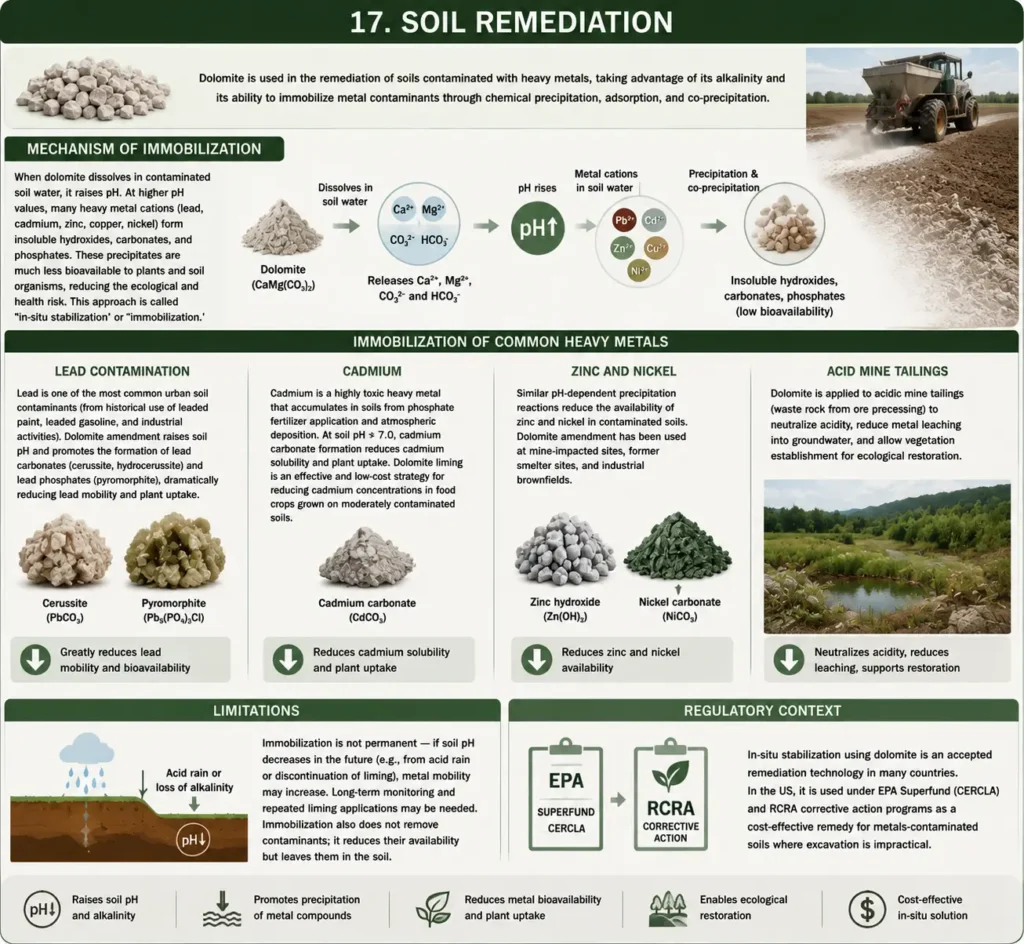
Dolomite is used in the remediation of soils contaminated with heavy metals, taking advantage of its alkalinity and its ability to immobilize metal contaminants through chemical precipitation, adsorption, and co-precipitation.
Mechanism of immobilization
When dolomite dissolves in contaminated soil water, it raises pH. At higher pH values, many heavy metal cations (lead, cadmium, zinc, copper, nickel) form insoluble hydroxides, carbonates, and phosphates. These precipitates are much less bioavailable to plants and soil organisms, reducing the ecological and health risk. This approach is called ‘in-situ stabilization’ or ‘immobilization.’
Lead contamination
Lead is one of the most common urban soil contaminants (from historical use of leaded paint, leaded gasoline, and industrial activities). Dolomite amendment raises soil pH and promotes the formation of lead carbonates (cerussite, hydrocerussite) and lead phosphates (pyromorphite), dramatically reducing lead mobility and plant uptake.
Cadmium
Cadmium is a highly toxic heavy metal that accumulates in soils from phosphate fertilizer application and atmospheric deposition. At soil pH > 7.0, cadmium carbonate formation reduces cadmium solubility and plant uptake. Dolomite liming is an effective and low-cost strategy for reducing cadmium concentrations in food crops grown on moderately contaminated soils.
Zinc and nickel
Similar pH-dependent precipitation reactions reduce the availability of zinc and nickel in contaminated soils. Dolomite amendment has been used at mine-impacted sites, former smelter sites, and industrial brownfields.
Acid mine tailings
Dolomite is applied to acidic mine tailings (waste rock from ore processing) to neutralize acidity, reduce metal leaching into groundwater, and allow vegetation establishment for ecological restoration.
Limitations
Immobilization is not permanent — if soil pH decreases in the future (e.g., from acid rain or discontinuation of liming), metal mobility may increase. Long-term monitoring and repeated liming applications may be needed. Immobilization also does not remove contaminants; it reduces their availability but leaves them in the soil.
Regulatory context
In-situ stabilization using dolomite is an accepted remediation technology in many countries. In the US, it is used under EPA Superfund (CERCLA) and RCRA corrective action programs as a cost-effective remedy for metals-contaminated soils where excavation is impractical.